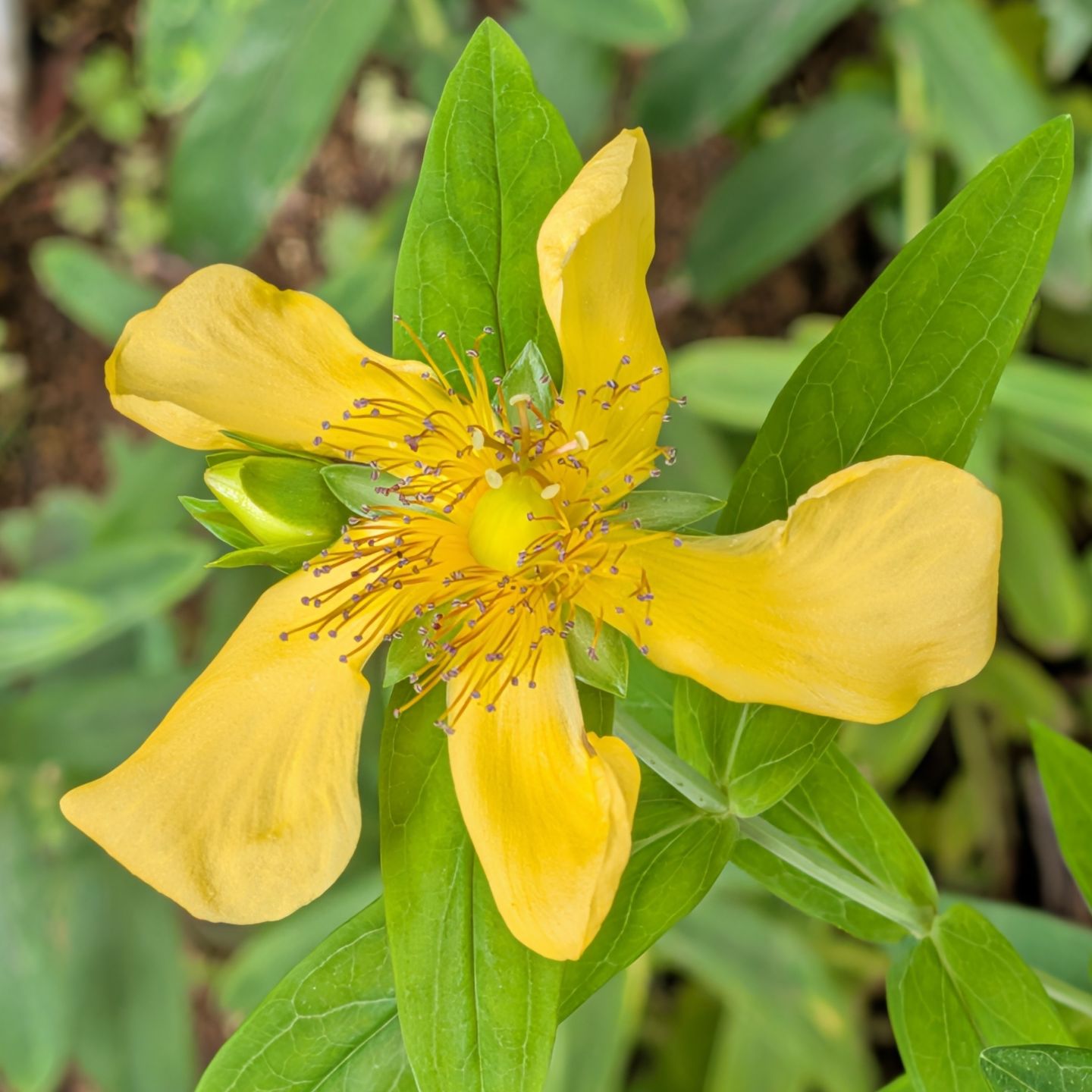
トモエソウの和名の由来は、古くからの模様「巴」のように花被が同じ方向へ捻じれ、花冠が渦を巻いているように見える「草」だからです。
The Japanese name for Great St. John’s Wort (Tomoe-so) means a “herb” whose petals twist in a single direction—resembling the traditional tomoe (whirl or comma-shaped) pattern—giving the flower a distinctive swirling appearance.
【仮名】トモエソウ
【和名】巴草
【英名】Great St. John’s Wort, Giant St. John’s Wort
【学名】Hypericum ascyron
【誕生】06/ 24, 08/ 27
【開花】07, 08月
【花色】Yellow
トモエソウ
トモエソウの概要
トモエソウはオトギリソウ科の多年草。日本では北海道、本州、四国、九州、国外では朝鮮半島、中国、ロシアなどに分布しています。陽当たりがよく、湿り気のある草地に自生。花の鮮やかな黄色、風車のような形が、美貌と武勇で知られた、12世紀の女傑「巴御前」を思わせます。
トモエソウの名前
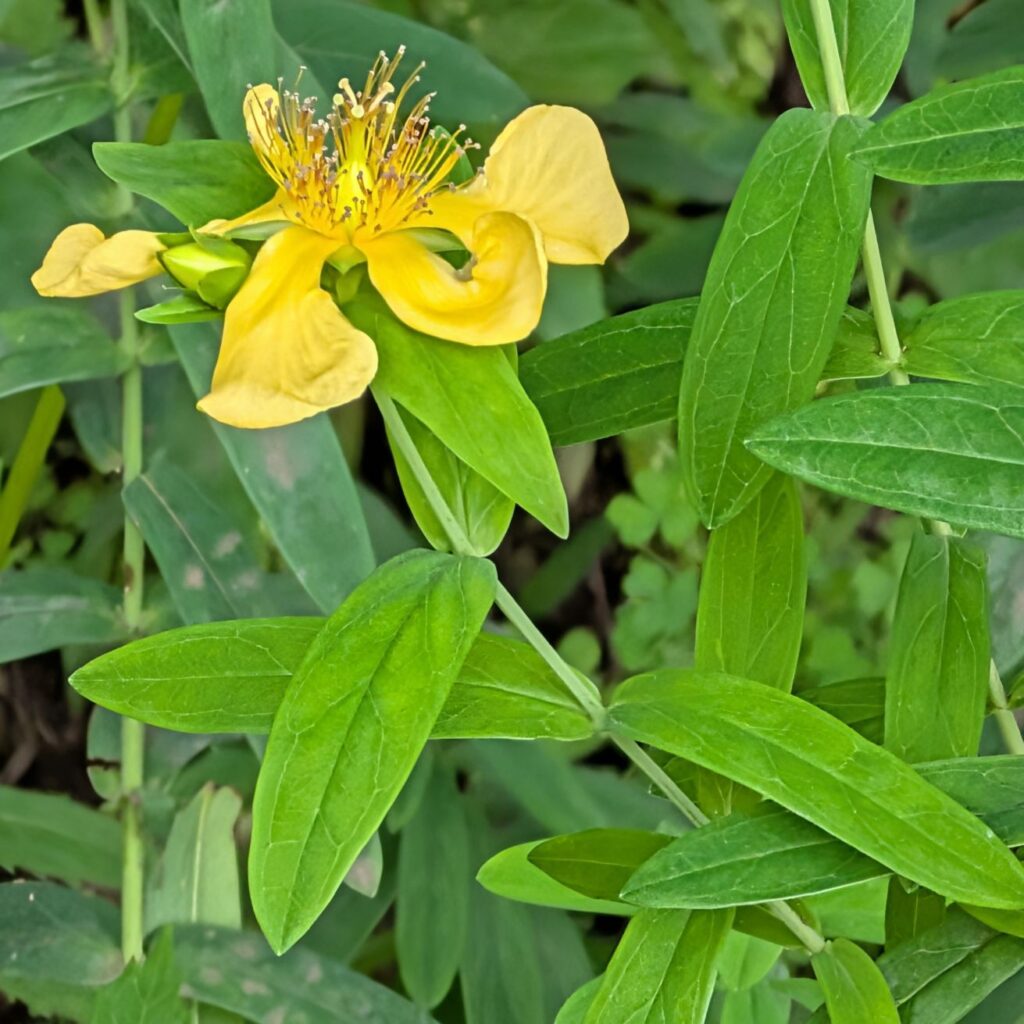
トモエソウの和名の由来は、古くからの模様「巴」のように、花被が同じ方向へ捻じれ、花冠が渦を巻いているように見える「草」だからです。属名ハイペリカムは「絵の上で」という意味で、吊るして魔除けに用いたから。種小名アスキロンは古代ギリシャで用いられた植物名です。
トモエソウの姿形
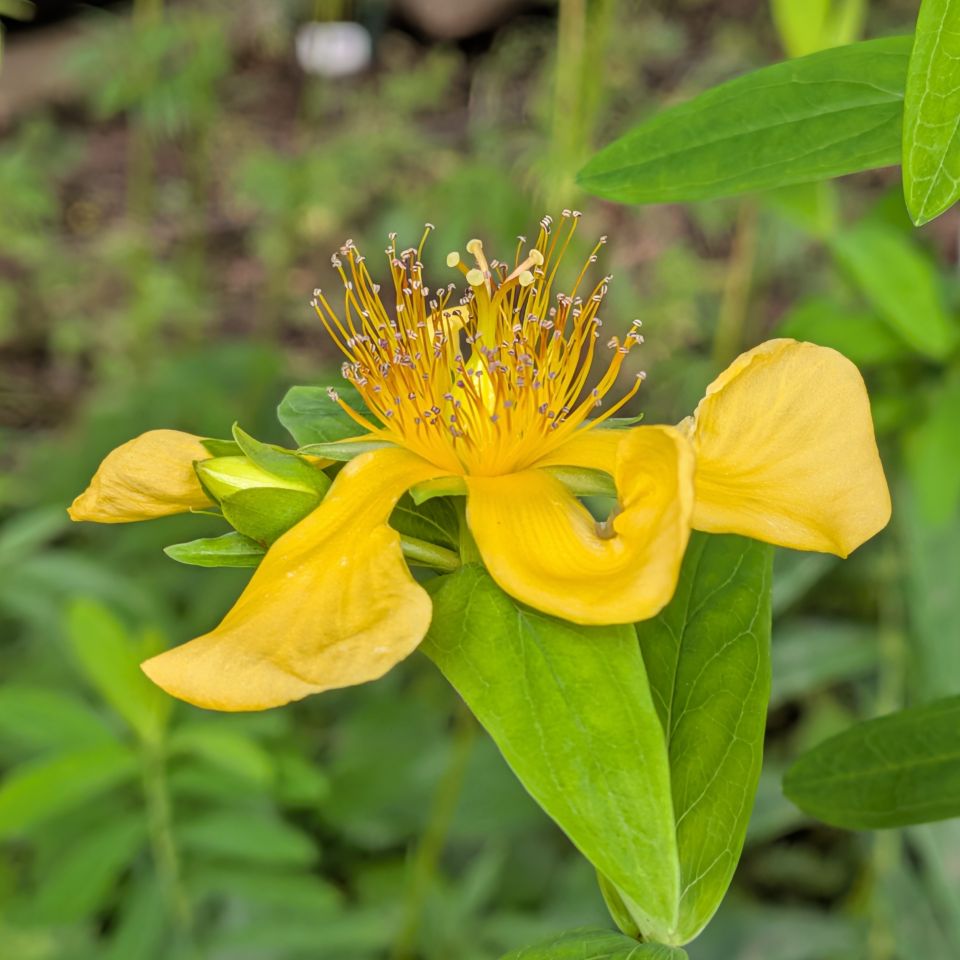
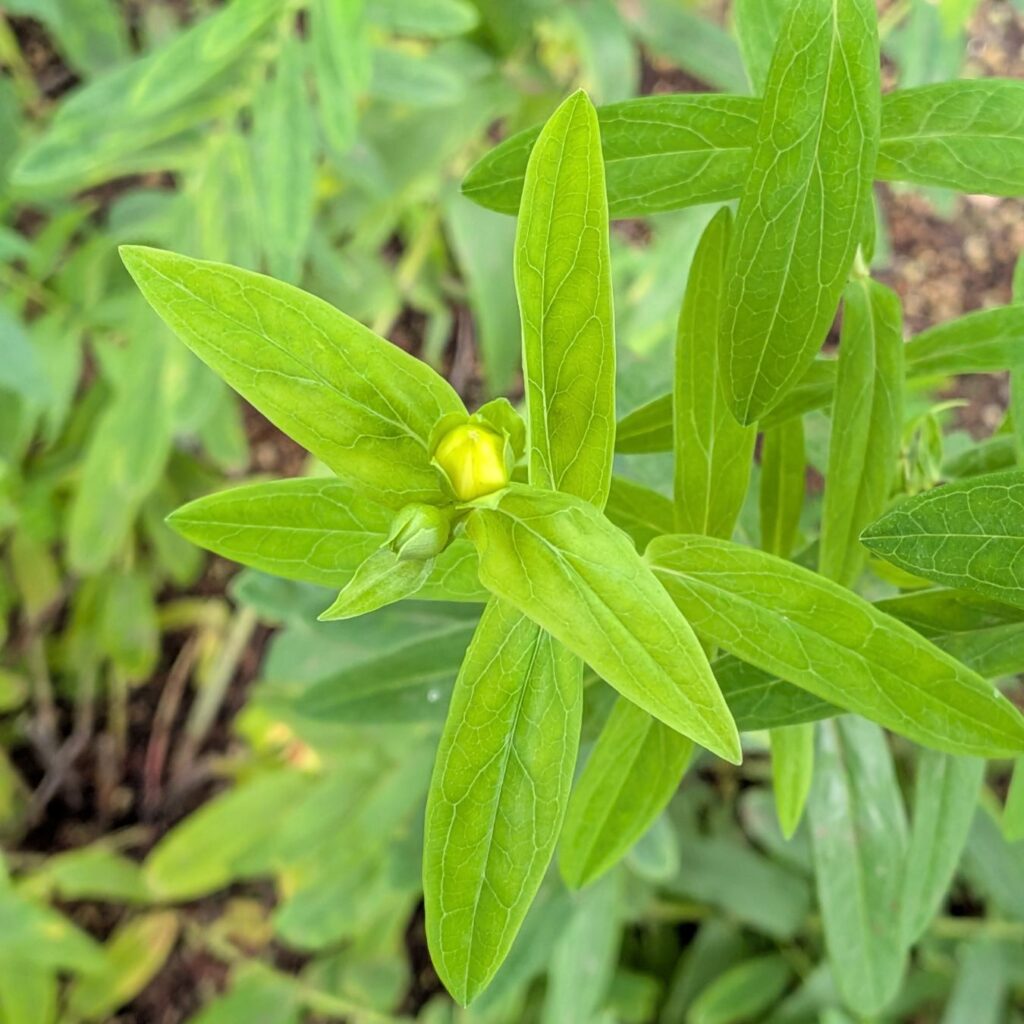
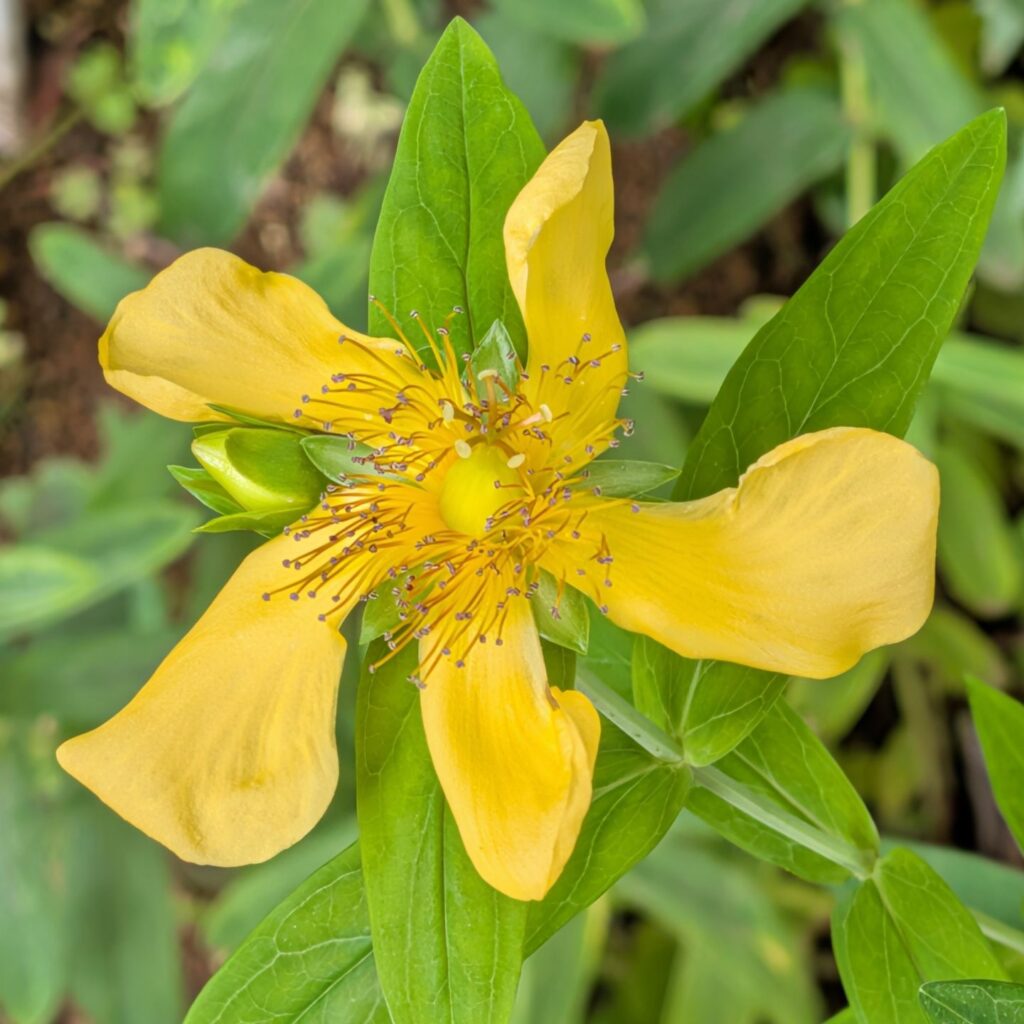
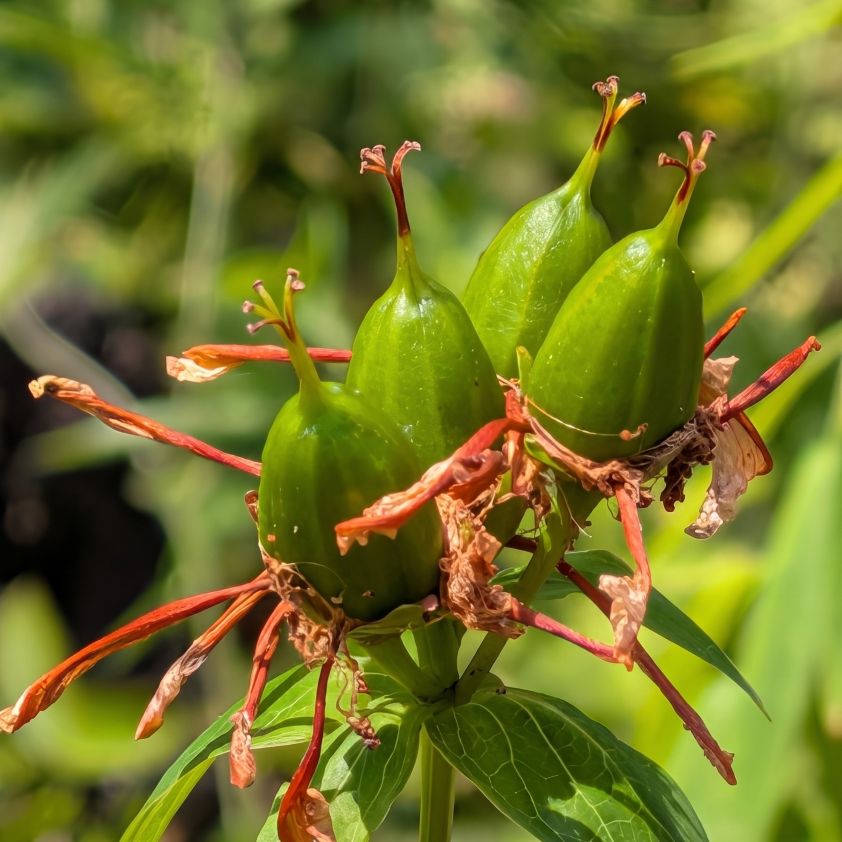
トモエソウは太い地下茎が這い伸びます。茎は4陵で直立し、上方で分枝。葉は披針形の対生で、茎を抱えます。花は風車のように花弁が捻じれて5枚、たくさんの雄しべが放射状に伸びて5束、雌しべの柱頭が5裂。卵形の蒴果を結び、熟すと5つに裂けて微小な種子を散らします。
トモエソウの利用
トモエソウは果実が生薬「大連翹」として解熱・消炎・解毒に、全草が生薬「黄海棠」として清熱・解毒・止血・消腫に用いられました。欧州でも昔からオトギリソウ属が薬に用いられ、英名は「大きな聖ヨハネの薬草」という意味。古くは摘んだり、焚いたりして悪魔を祓いました。
Great St. John’s Wort
Great St. John’s Wort (Hypericum ascyron) is a perennial herb in the St. John’s wort family (Hypericaceae). It is native to Japan (Hokkaido, Honshu, Shikoku, and Kyushu) as well as the Korean Peninsula, China, and Russia, thriving in sunny, moist grasslands. Its vivid yellow, pinwheel-like blossoms evoke the image of Tomoe Gozen, a famed 12th-century female warrior renowned for both her beauty and martial prowess.
The Japanese name for Great St. John’s Wort (Tomoe-so) translates to a “herb” whose petals twist in a single direction—resembling the traditional tomoe pattern—giving the flower a swirling appearance. The genus name Hypericum originates from the Greek hyper (over) and eikon (image), referring to the ancient practice of hanging the plant over pictures or icons to ward off evil spirits. The specific epithet ascyron derives from an ancient Greek plant name.
Great St. John’s Wort spreads via thick, creeping rhizomes. Its four-angled stems grow upright and branch out near the top. The lance-shaped leaves grow in opposite pairs that clasp the stem. Each flower features five pinwheel-twisted petals, numerous stamens radiating in five bundles, and a pistil with a five-lobed stigma. It produces egg-shaped capsules that split into five segments when ripe, releasing tiny seeds.
In traditional medicine, the fruits of Great St. John’s Wort have been used to relieve fever, inflammation, and toxicity, while the whole plant was used to clear heat, detoxify, stop bleeding, and reduce swelling. Species of the genus Hypericum have a long history of medicinal and protective use in Europe as well, where they were traditionally picked or burned to drive away evil spirits.