マツカゼソウは松の木を吹き抜ける風のような趣があります。小さく丸みのある葉、可愛らしい花…。ゆらめく恋心という花言葉があります。
White-flowered Rue evokes the gentle sensation of a breeze rustling through pine trees. With its delicate, rounded leaves and charming blossoms, it carries the language of flowers: “flickering love.”
【仮名】マツカゼソウ
【和名】松風草
【英名】White-flowered Rue
【学名】Boenninghausenia albiflora
【誕生】09/ 18, 10/ 22
【開花】08, 09, 10月
【花色】White
マツカゼソウ
マツカゼソウの概要
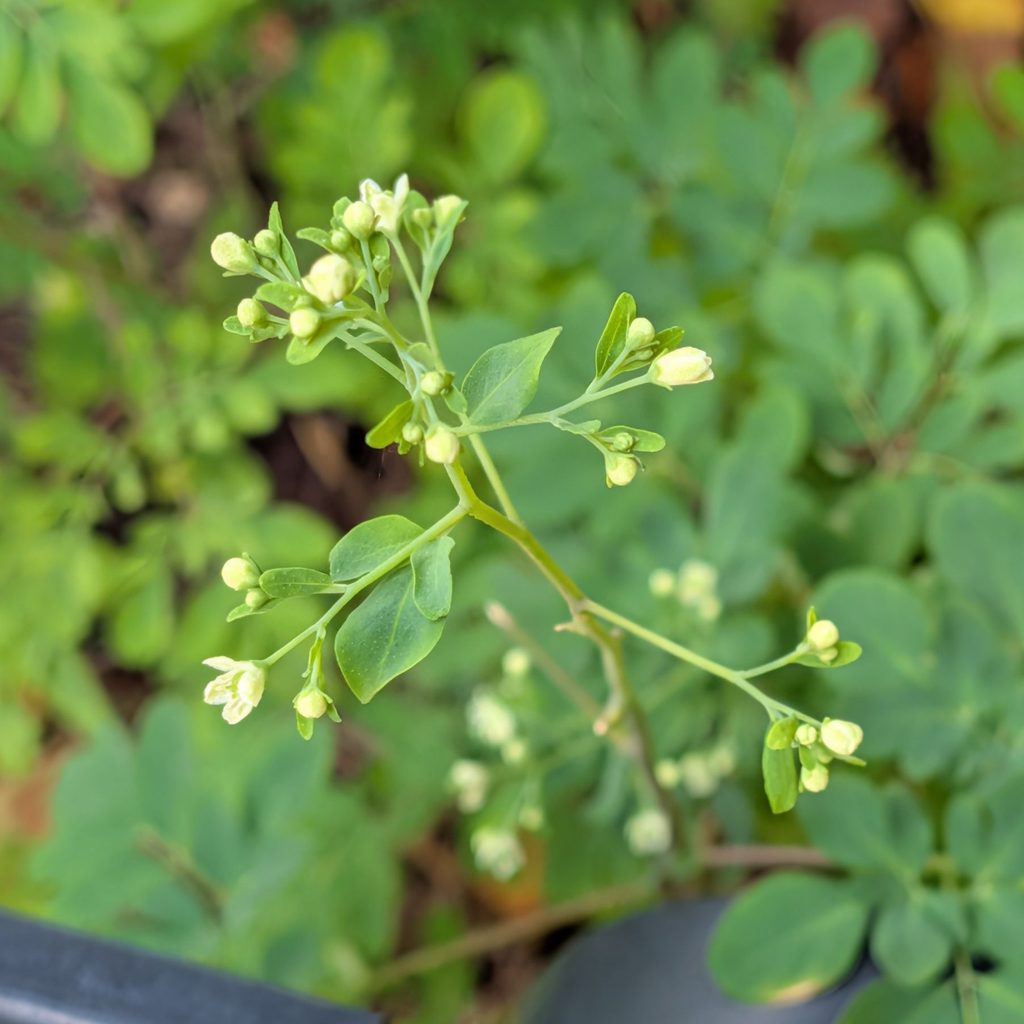
マツカゼソウはミカン科の多年草です。宮城県以南の本州、四国、九州に分布し、薄暗く湿り気のある山地に群生。秋に茎と葉が枯れ、地下茎で冬を越し、春に芽を吹きます。小さく丸みのある葉、可愛らしい花が秋の風に揺られる切なさ。「ゆらめく恋心」という花言葉があります。
マツカゼソウの名前
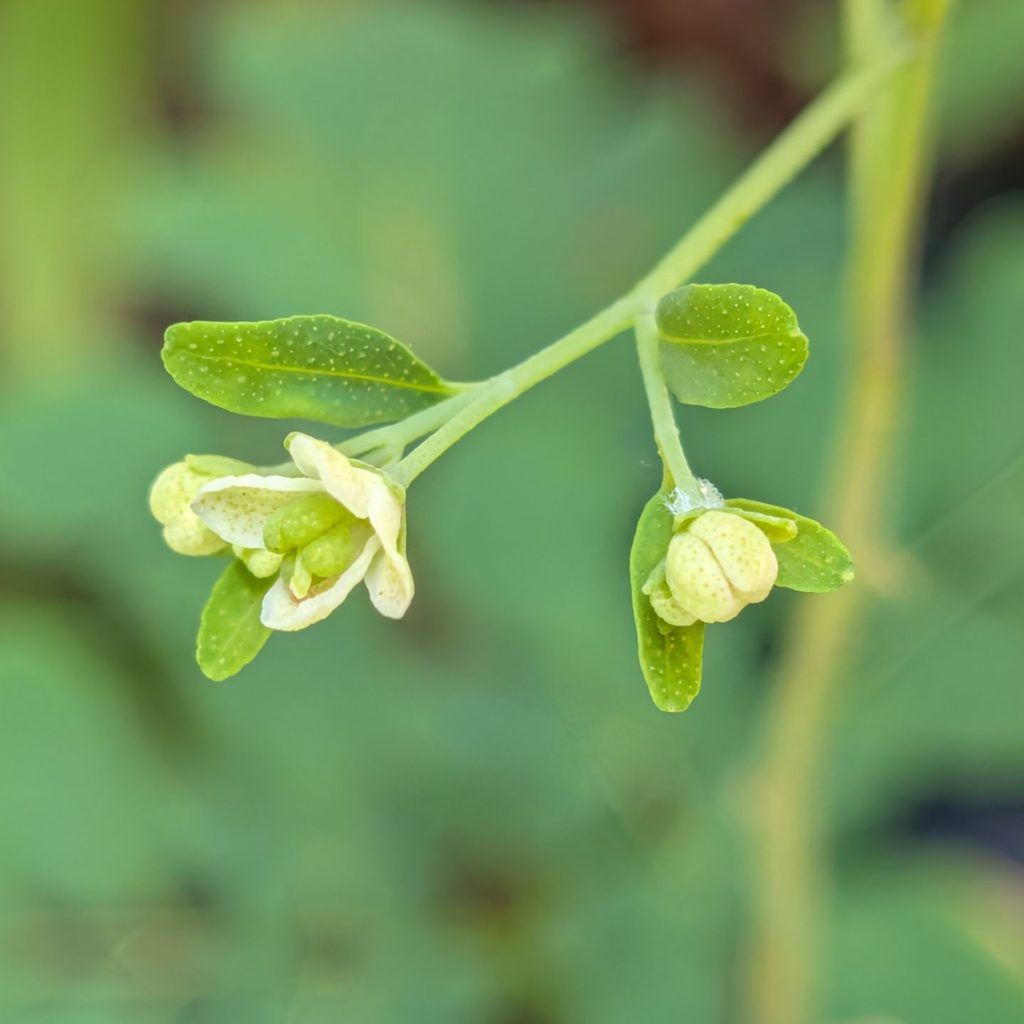
マツカゼソウの和名の由来は松の木を吹き抜ける風のような趣があるから。英名は「白色の花が咲くヘンルーダ」という意味です。属名ボエニングハウセニアはホメオパシーで知られるドイツの医師ボーニングハウゼンへの献名。種小名アルビフローラは「白色の花」という意味です。
マツカゼソウの姿形
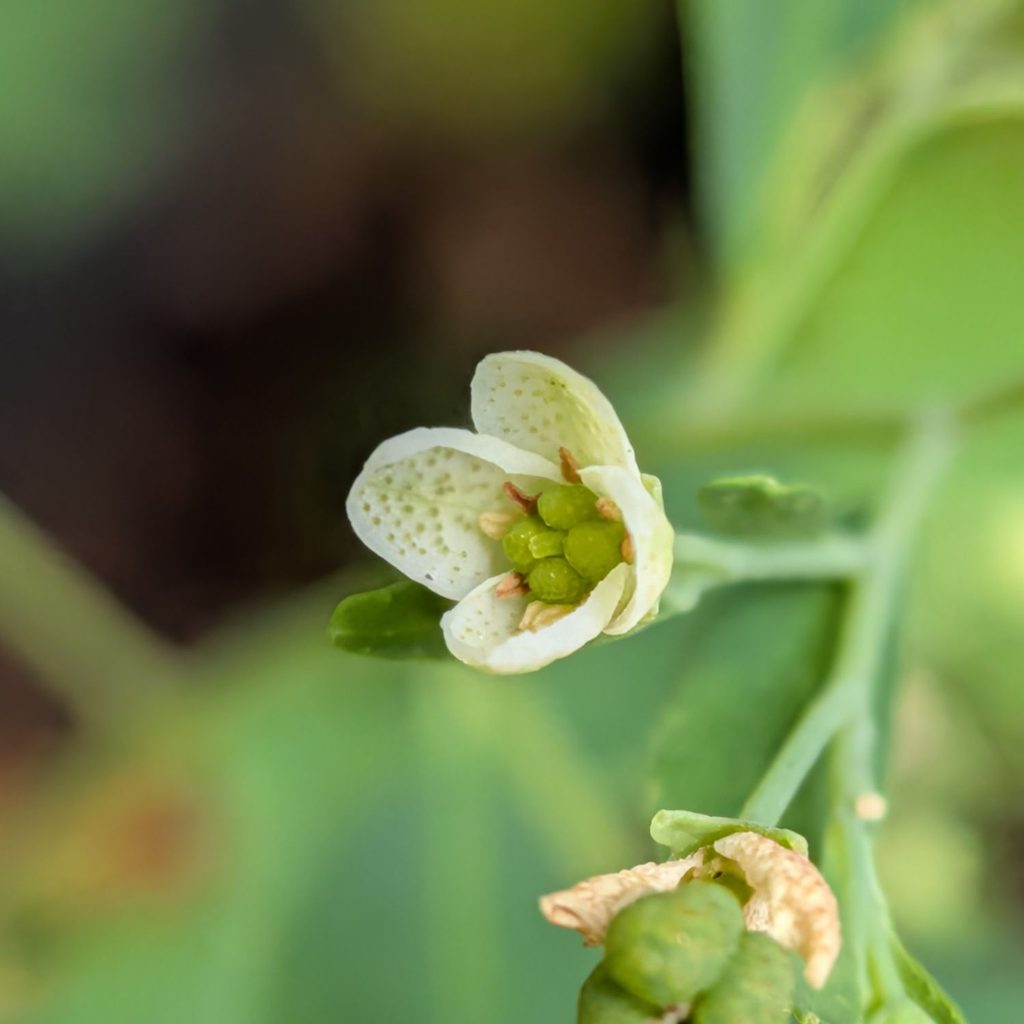
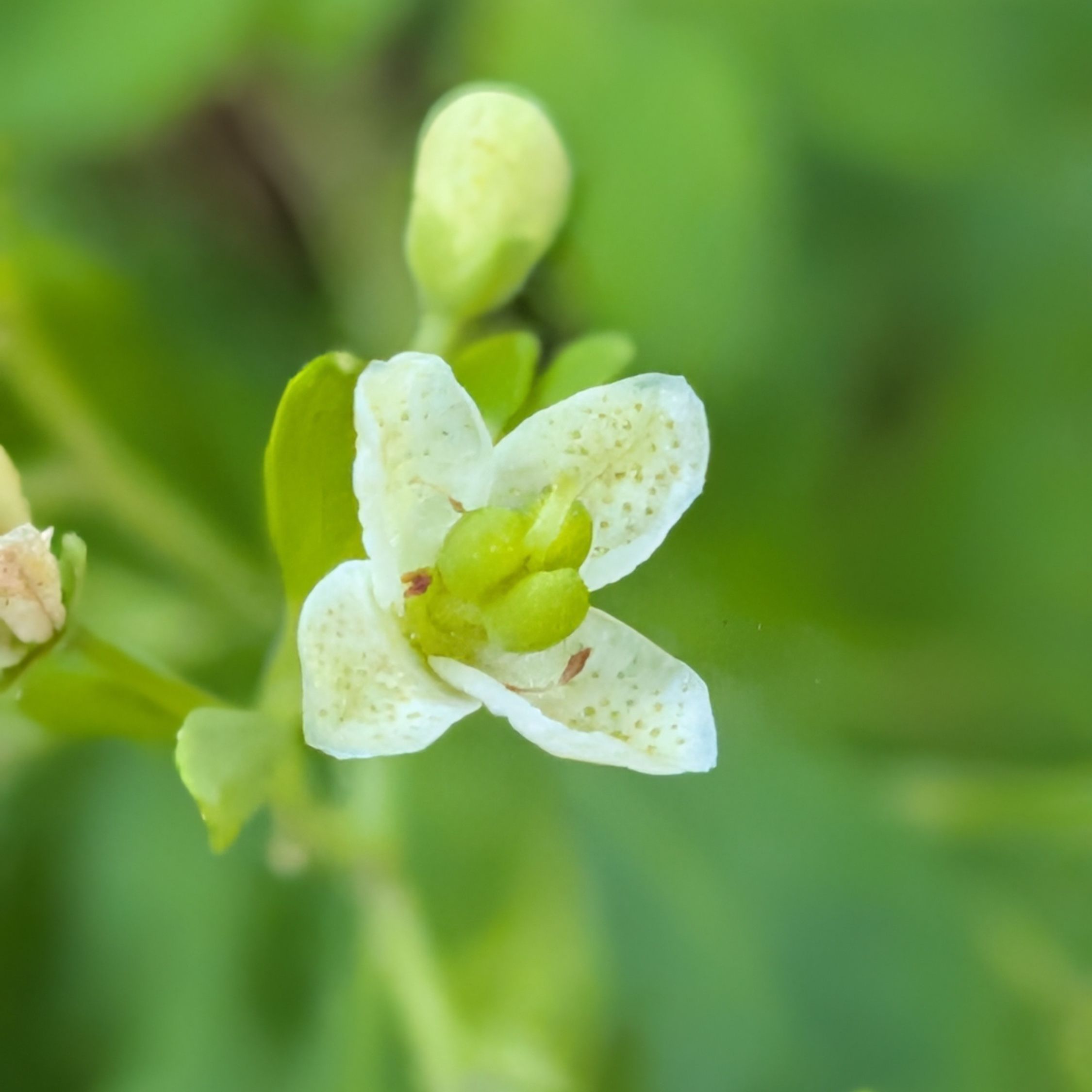
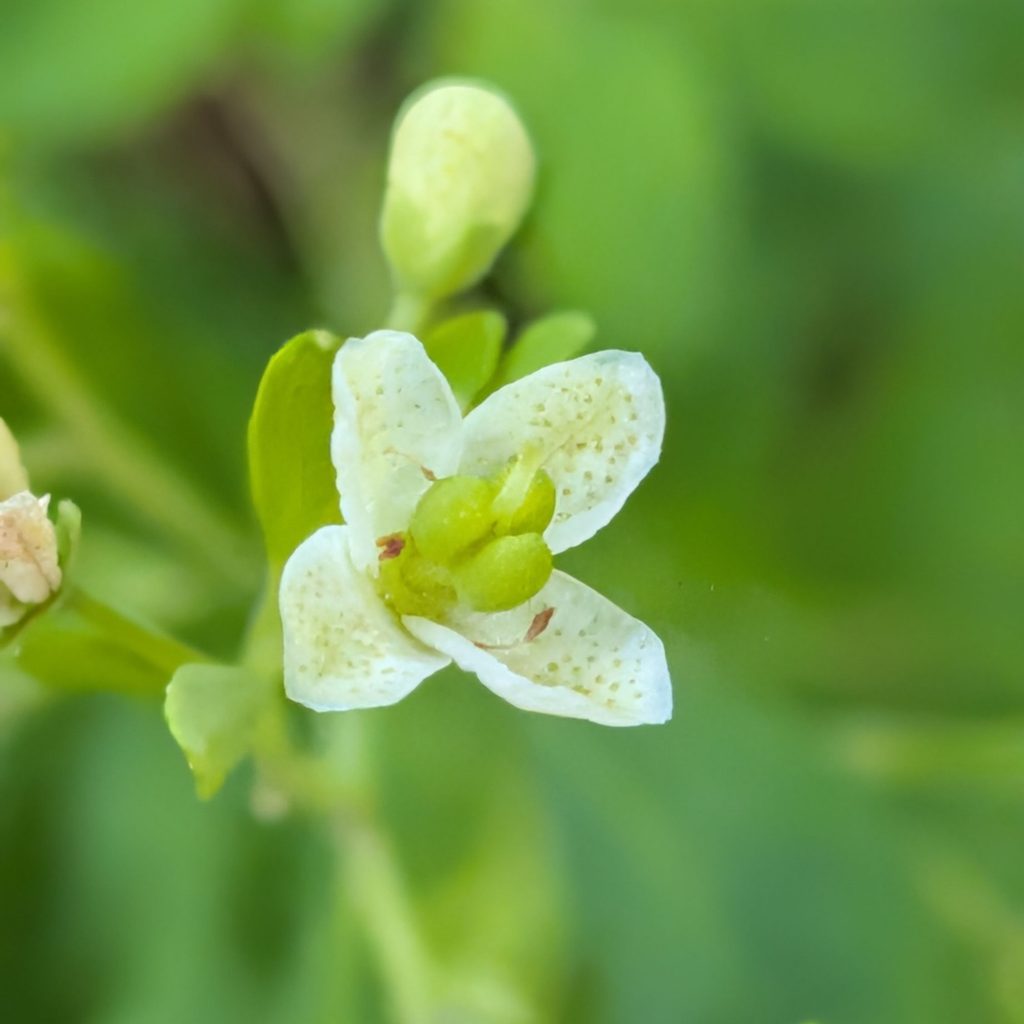
マツカゼソウは地下茎から細い根を広げます。茎は上方で分枝し、葉は互生の3回羽状複葉で倒卵形。茎も葉も油腺があり、触れると柑橘系の香りを放ちます。花は花弁が4枚、雄しべが突き出て6~8本。雌しべが子房柄の上に浮き出ます。花後の袋果は腎臓形の種子が黒色に成熟。
マツカゼソウの逸話
マツカゼソウと趣が通じる能楽「松風」。ある旅僧が在原行平に愛されたという海女の幽霊に出会います。海女は形見の狩衣と烏帽子をまとい、海岸の松の木を行平の姿と見誤って狂乱。旅僧に回向を頼み、幽霊が姿を消した跡には、松の木を吹き抜ける風の音だけが残っていました。
White-flowered Rue
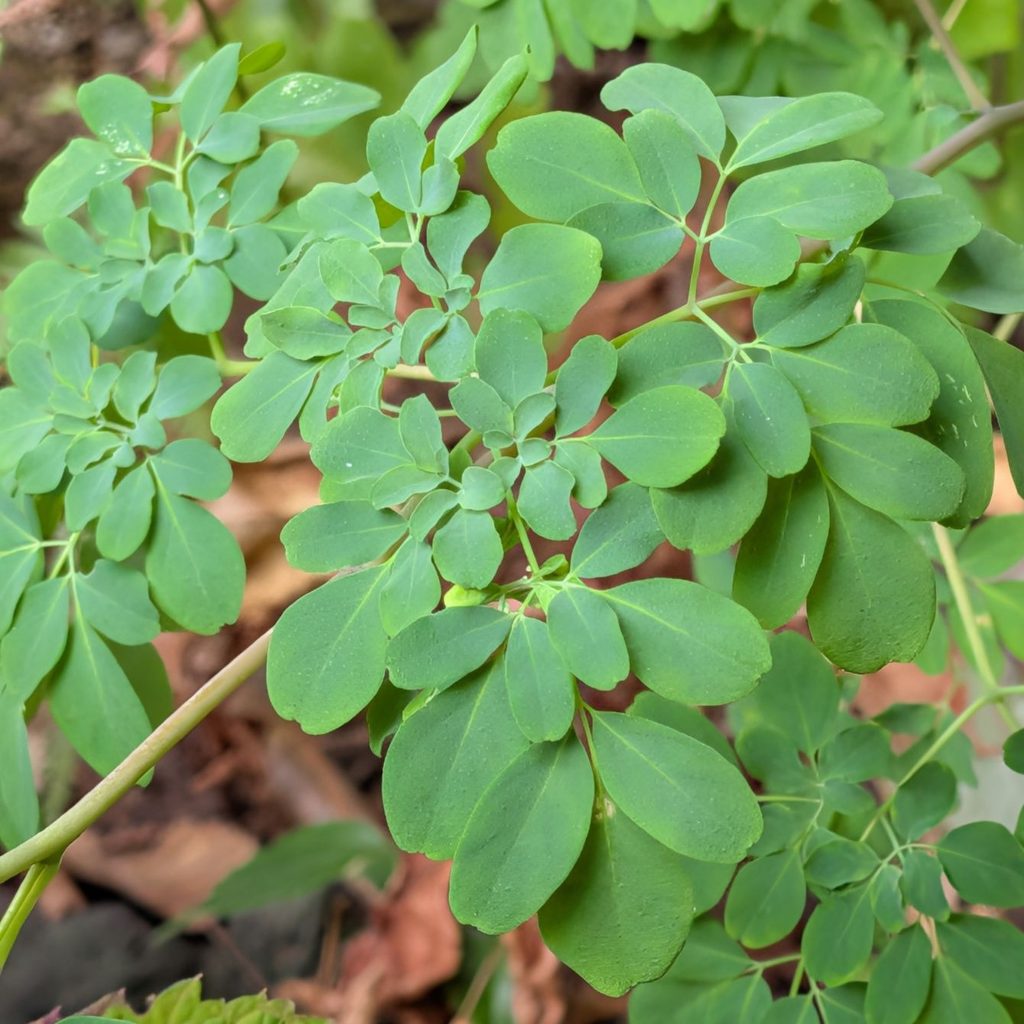
White-flowered Rue (Boenninghausenia albiflora) is a perennial herb in the Rutaceae (citrus) family. Native to Japan, it is found from Miyagi Prefecture southward across Honshu, Shikoku, and Kyushu, growing in clusters in shaded, moist mountain areas. The stems and leaves wither in autumn, while the underground rhizomes overwinter to send up new shoots in spring. There is a poignant beauty in watching its small, rounded leaves and lovely blossoms sway in the autumn wind—a scene that perfectly captures its floral meaning of “flickering love.”
The Japanese name of White-flowered Rue translates to “pine-wind grass,” named for its graceful resemblance to a breeze blowing through pine trees. Its common English name simply means “rue with white flowers.” The genus name, Boenninghausenia, honors Clemens von Bönninghausen, a German physician known for his contributions to homeopathy, while the specific epithet albiflora translates to “white-flowered.”
Below the surface, it spreads slender roots from its rhizomes. The stems branch toward the top, bearing alternate, obovate, tripinnately compound leaves. Both stems and leaves feature oil glands that release a refreshing citrus fragrance when touched. Each flower has four petals, six to eight prominent stamens, and a pistil elevated on a gynophore. Following pollination, the plant forms follicles with kidney-shaped seeds that ripen to a deep black.
The classic Noh play Matsukaze (“Wind in the Pines”) shares both its title and evocative mood with the plant. In the story, a traveling monk encounters the ghost of a female salt-burner (ama) who remains longing for her past lover, Ariwara no Yukihira. Wearing his remembered kariginu (hunting robe) and eboshi (court cap), she falls into a tragic delusion, mistaking a pine tree on the shore for Yukihira. She begs the monk to pray for her salvation, and as her spirit fades away, nothing remains but the sound of the wind blowing through the pines.