イトラッキョウの種小名ウィルグンクラエは「小さな乙女の」という意味。日本の分類学者によって1952年に授けられた抒情的な種小名です。
The specific epithet virgunculae in Allium virgunculae means “of a little maiden.” It is a lyrical name bestowed by a Japanese taxonomist in 1952.
【仮名】イトラッキョウ, ヒラドラッキョウ
【和名】糸辣韭, 糸薤
【英名】Allium virgunculae
【学名】Allium virgunculae
【誕生】10/ 22, 11/ 04
【開花】10, 11月
【花色】Pink, Purple
イトラッキョウ
イトラッキョウの概要
イトラッキョウはヒガンバナ科ネギ属の多年草。分布は長崎県の平戸島で、日当たりのよい岩場で育ちます。春に鱗茎から根を下ろし、夏に葉を伸ばし、秋に茎を立ち上げ、花を咲かせ、冬に葉と茎を枯らして休眠。日本の分類学者によって1952年、抒情的な種小名が授けられました。
イトラッキョウの名前
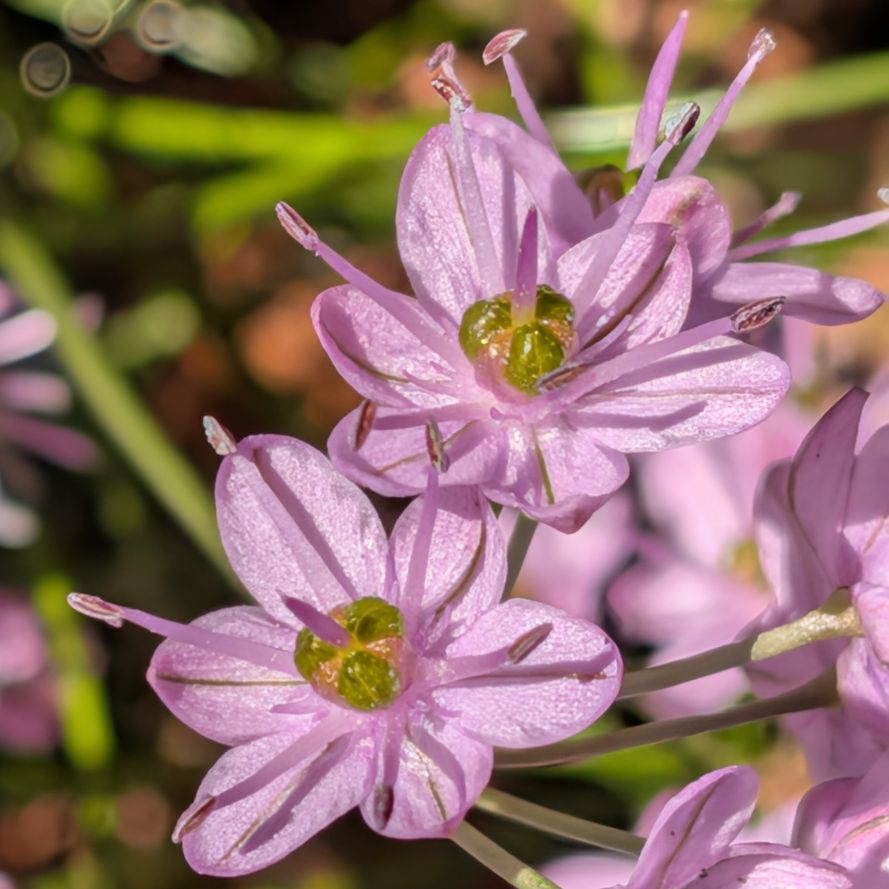
イトラッキョウは「葉が糸のように細い辣韭」という意味。辣韭(ラッキョウ)のように細い紡錘形の鱗茎から髭根と花茎を伸ばし、赤紫色の花々が茎先に集まって咲きます。属名アリウムは古代ラテン語でネギ属の総称。種小名ウィルグンクラエは「小さな乙女の」という意味です。
イトラッキョウの姿形
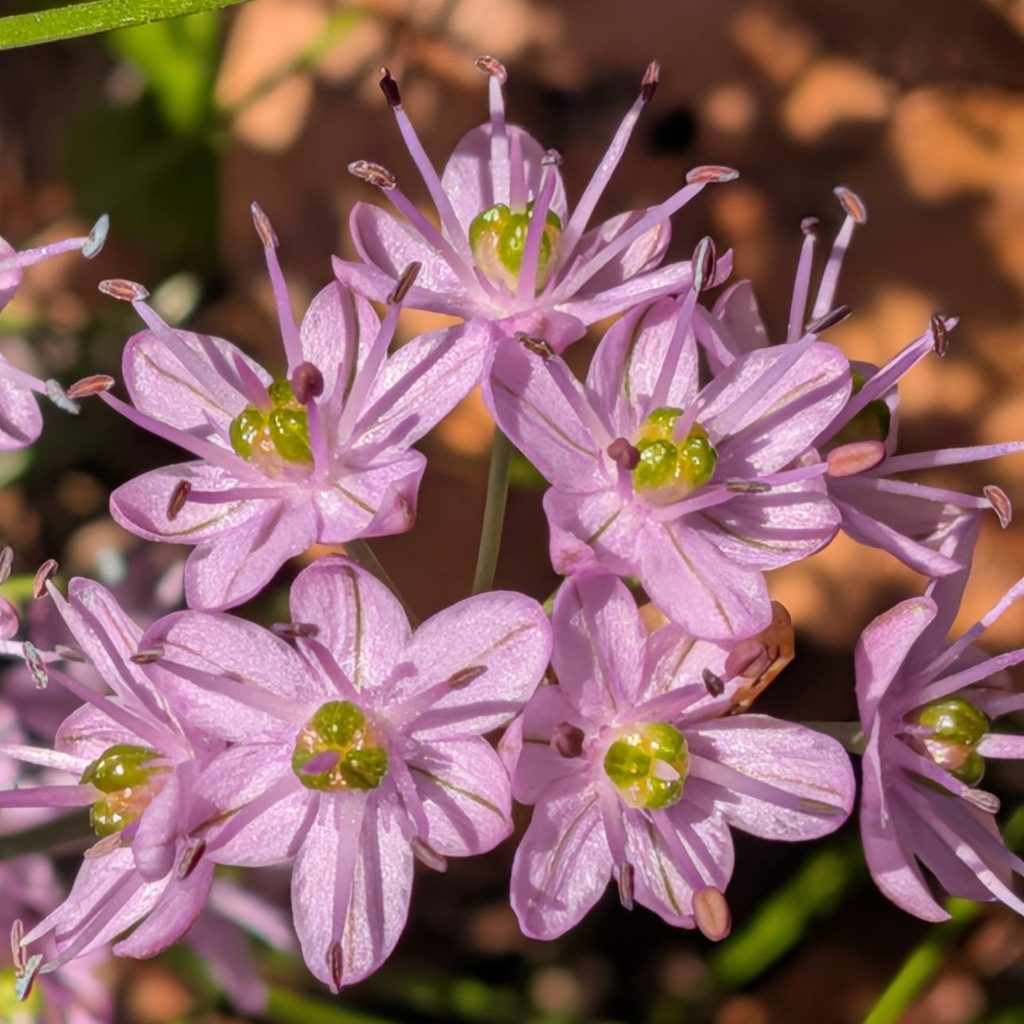
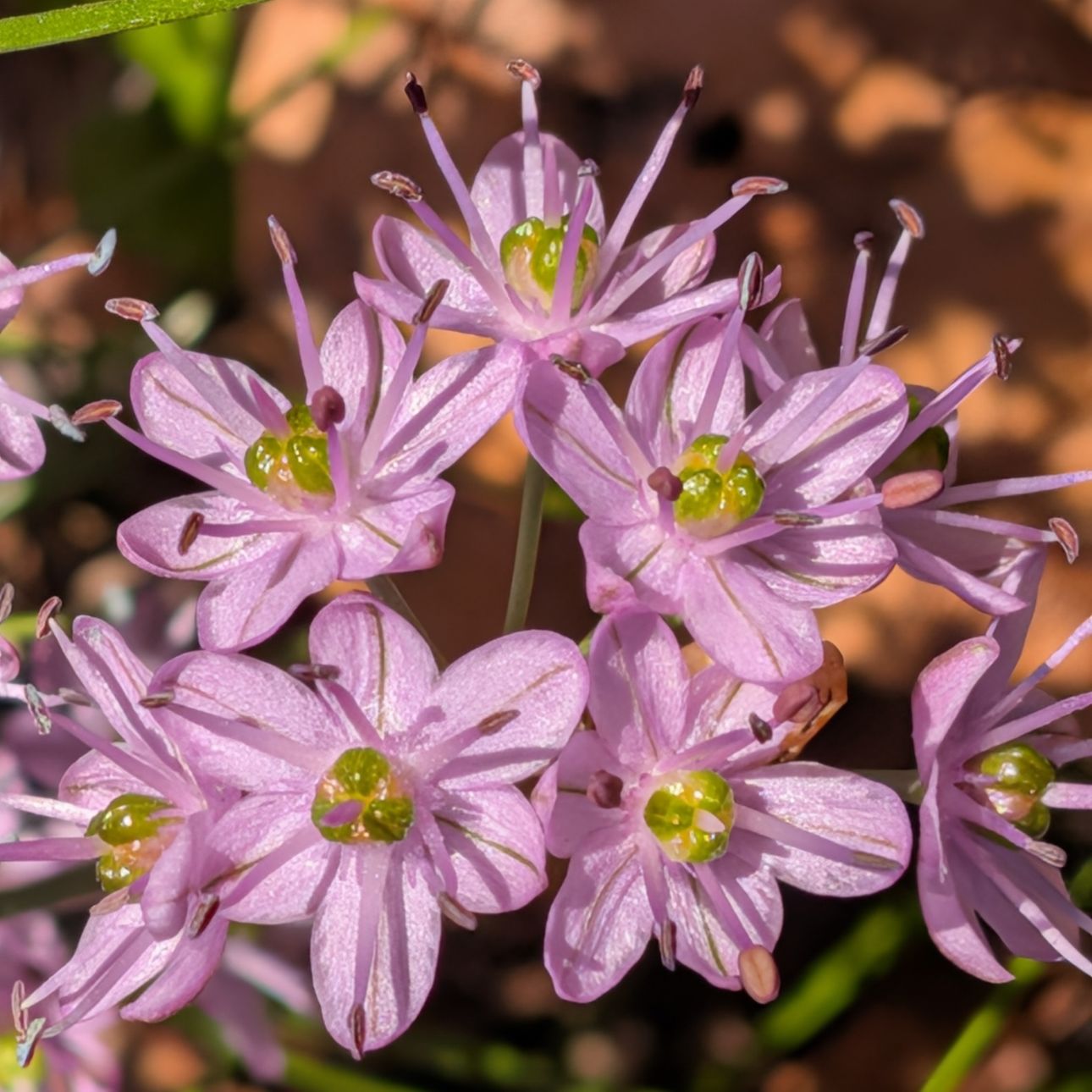
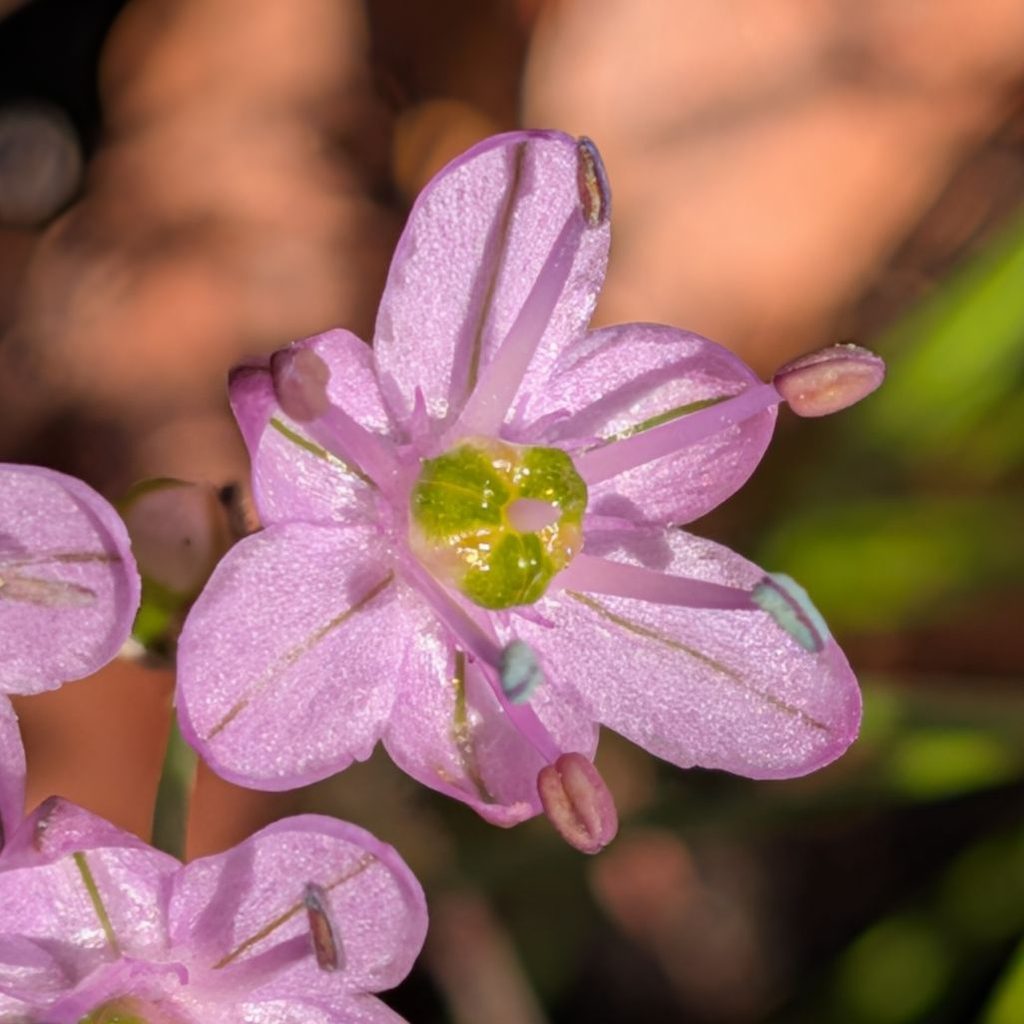
イトラッキョウは小さな鱗茎に養分を貯蔵。1つの鱗茎から多くの髭根を下ろし、2~4枚ほど線形の葉を伸ばし、1本の花茎を真っすぐ立ち上げます。花は外花被片が3枚、内花被片が3枚、雄しべが6本。雌しべは3つの心皮が合生して1本です。花後の蒴果は熟すと3つに裂開。
イトラッキョウの逸話
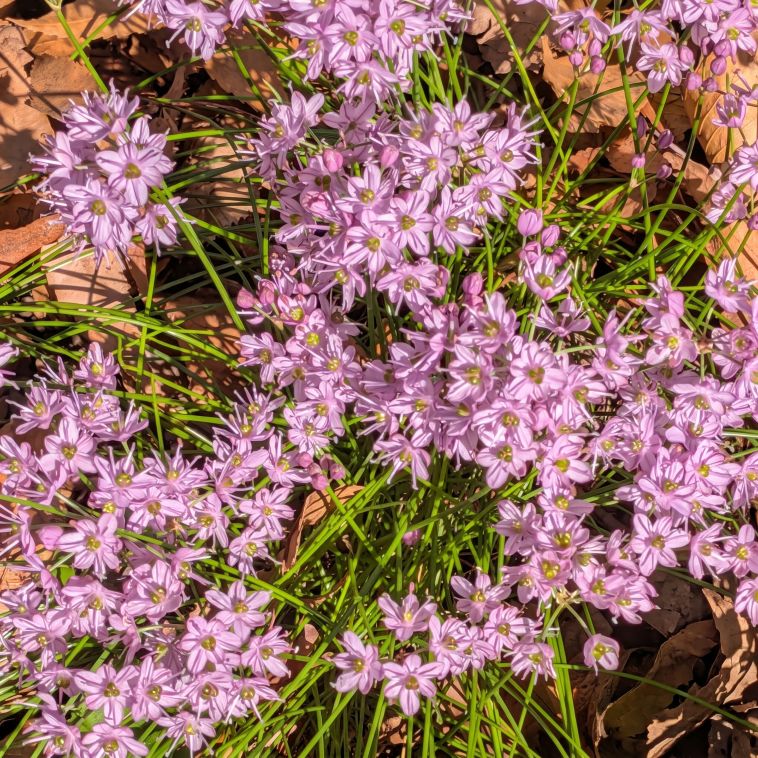
イトラッキョウの自生地が平戸島に限られるのは、氷河期に地続きだった九州本土から、後氷期の海面上昇で隔離され、潮風や乾燥に晒される岩場に適応して生き残ったため。そして、自生株が盗掘・乱獲で絶滅の恐れもある一方、園芸株が全国の愛好家の鉢植えで生き延びています。
Allium virgunculae
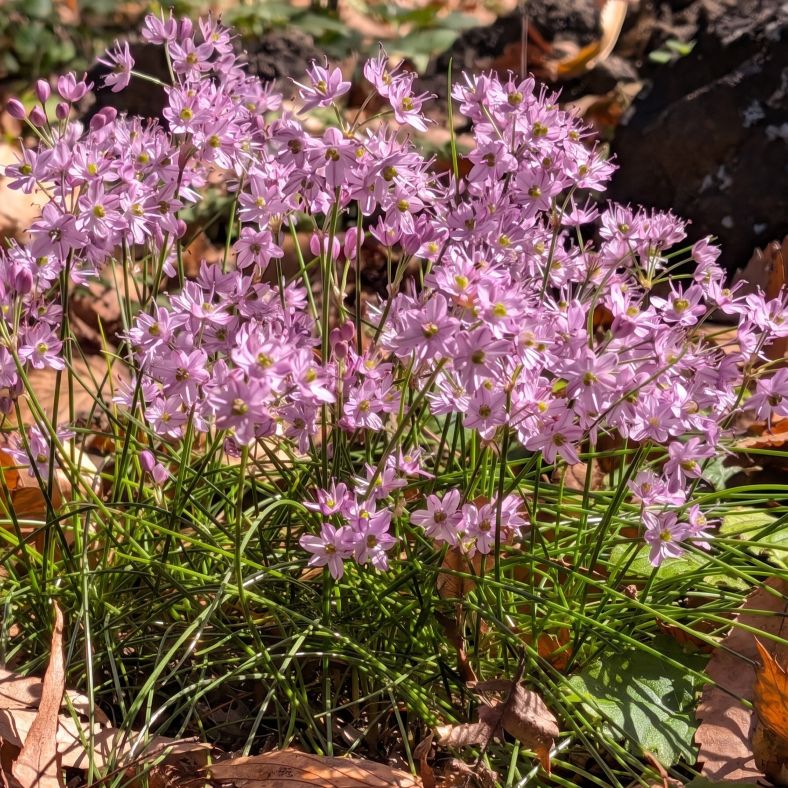
Allium virgunculae is a perennial herb in the genus Allium (family Amaryllidaceae). Native to Hirado Island in Nagasaki Prefecture, it grows on sunny, rocky terrain. In spring, it develops roots from its bulb; in summer, it puts forth leaves; in autumn, it sends up a flowering stalk and blooms; and in winter, its leaves and stalk wither as the plant enters dormancy. A Japanese taxonomist gave it this lyrical specific epithet in 1952.
Its Japanese name translates to a type of rakkyo (Chinese onion) with thread-like, slender leaves. Resembling rakkyo, it has a narrow, spindle-shaped bulb from which fibrous roots and a flowering stalk emerge, bearing clusters of reddish-purple flowers at the tip. The genus name Allium is the classical Latin word for garlic and related plants, while the specific epithet virgunculae means “of a little maiden.”
Allium virgunculae stores nutrients in its small bulb. From a single bulb, it sends down numerous fibrous roots, produces two to four linear leaves, and sends up a single, upright flowering stalk. Each flower consists of three outer tepals, three inner tepals, and six stamens, with a single pistil formed by the fusion of three carpels. After flowering, it produces a capsule that splits into three valves upon ripening.
The natural distribution of Allium virgunculae is restricted to Hirado Island. Although the island was connected to the Kyushu mainland during the last glacial period, post-glacial sea-level rise isolated the population, which subsequently adapted to survive on rocky outcrops exposed to sea spray and dry conditions. Today, while wild populations face the threat of extinction due to poaching and over-collection, the species persists in cultivation, tended in pots by plant enthusiasts across Japan.