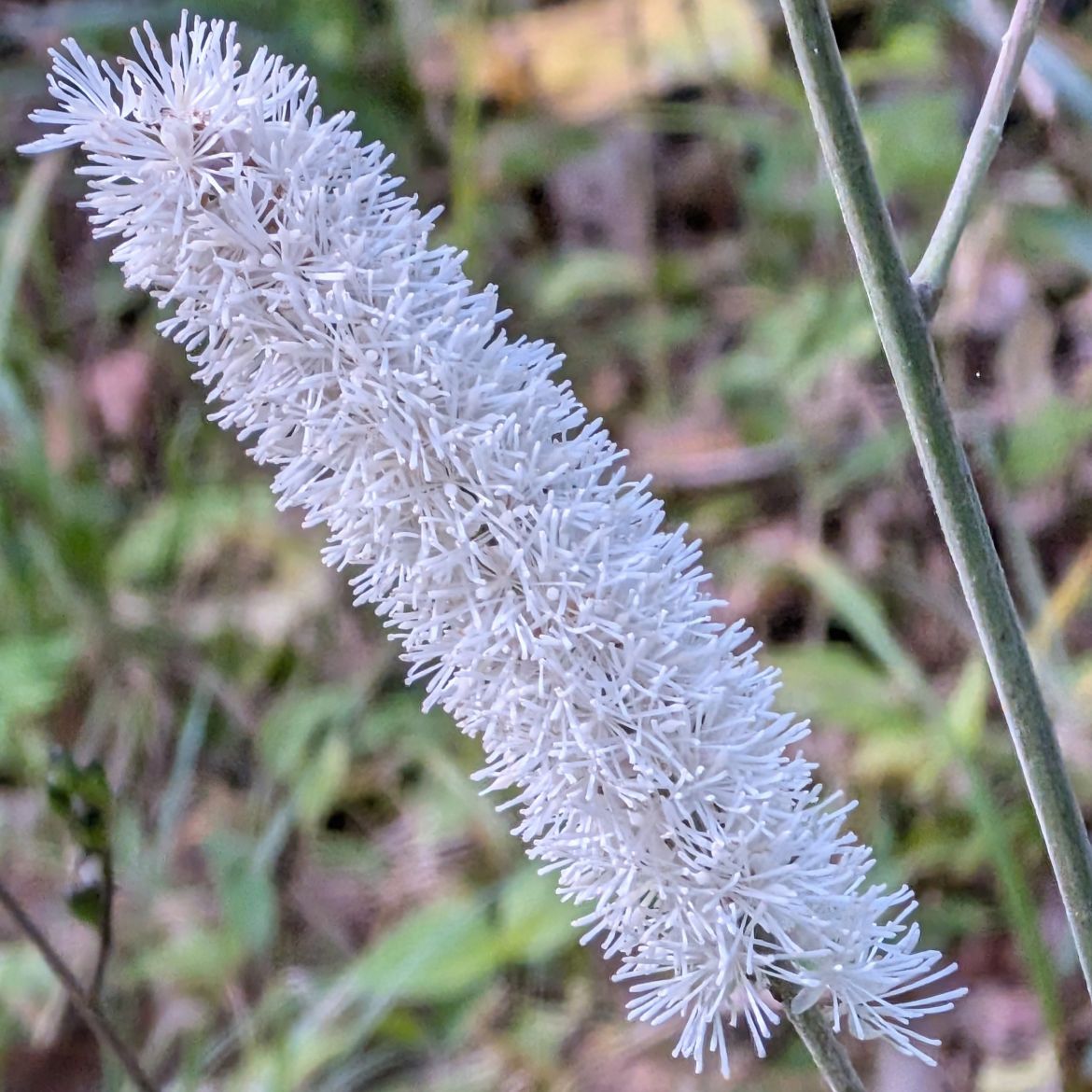
サラシナショウマ(晒菜升麻)の英名フェアリー・キャンドルは「妖精の蝋燭」という意味。ふわふわの花穂をしならせ、秋風に揺らします。
Cimicifuga simplex—commonly known as “Fairy Candle” (or Kamchatka bugbane)—features graceful, fluffy flower spikes that sway gently in the autumn breeze.
【仮名】サラシナショウマ
【和名】晒菜升麻
【英名】Fairy Candle, Fairy Candles
【学名】Cimicifuga simplex, Actaea simplex
【誕生】10/ 11, 10/ 26
【開花】08, 09, 10月
【花色】White
サラシナショウマ
サラシナショウマの概要
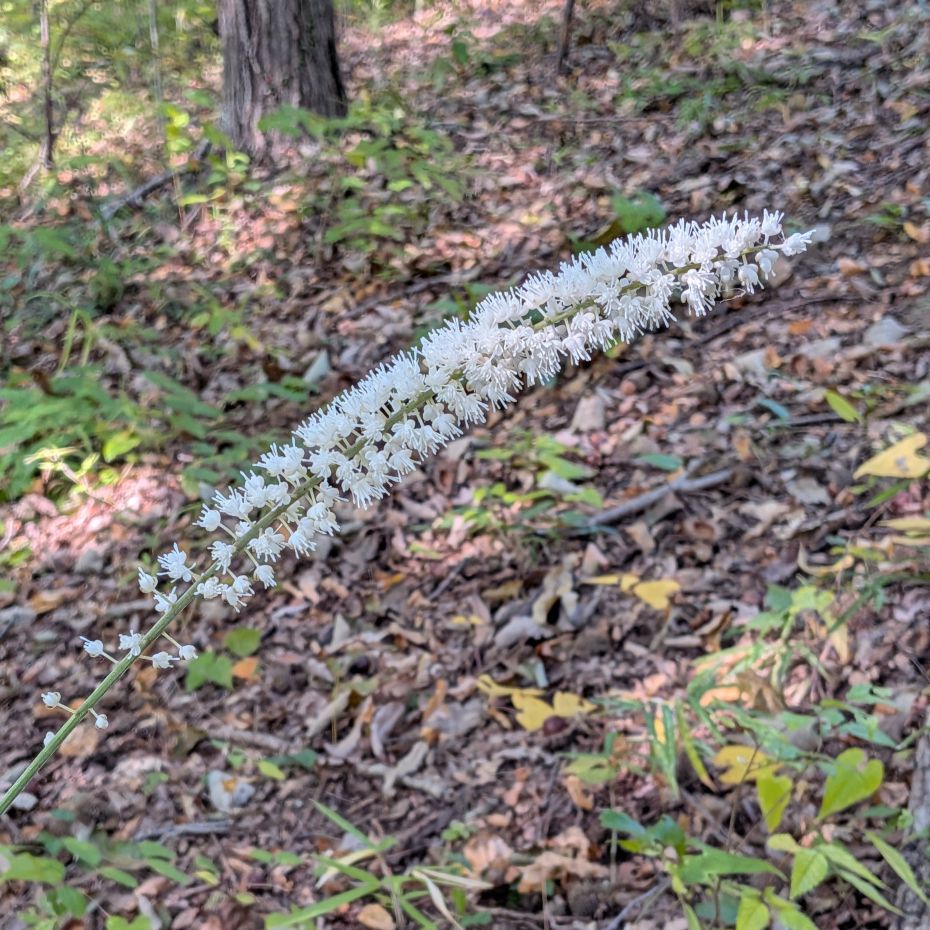
サラシナショウマはキンポウゲ科の多年草。日本では北海道、本州、四国、九州、国外では中国、東シベリア、カムチャツカ半島に分布し、明るい落葉樹林で自生しています。英名フェアリー・キャンドルは「妖精の蝋燭」という意味。ふわふわの花穂をしならせ、秋風に揺らします。
サラシナショウマの名前
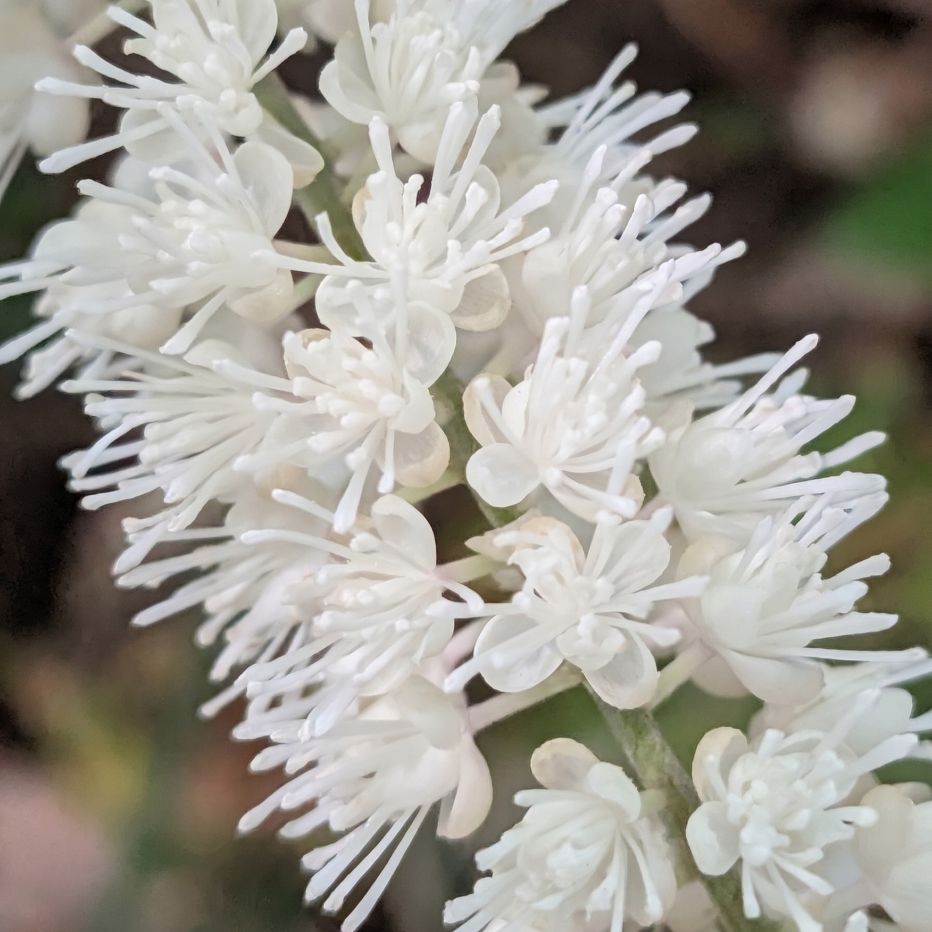
サラシナショウマの和名の由来は葉を水に晒してアクを抜き、野菜(晒菜)に用いた一方、根茎を生薬(升麻)に用いたからです。属名シミシフーガは「虫を追い払う」という意味で悪臭を出す同属異種に由来。種小名シンプレックスは「分枝しない」という意味で花穂に由来します。
サラシナショウマの姿形
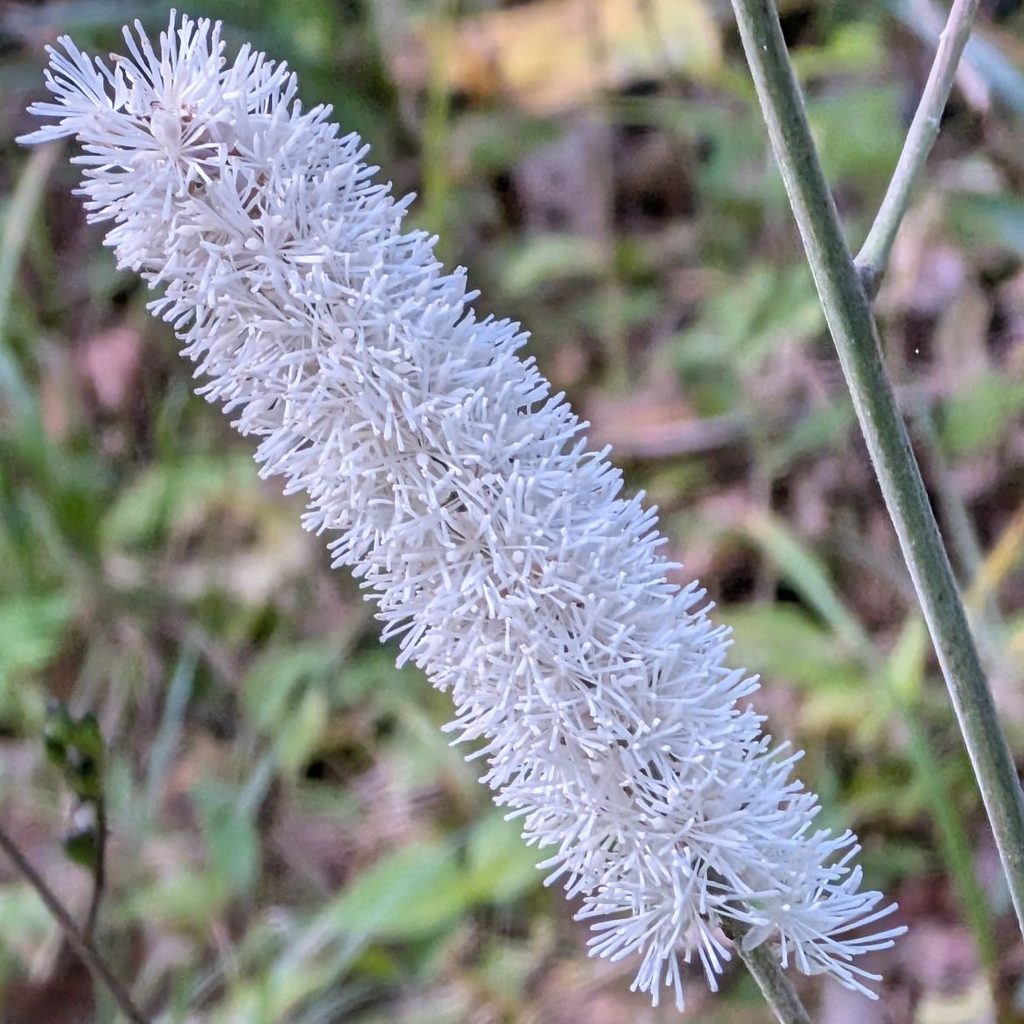
サラシナショウマは黒褐色の短い根茎から太い髭根が伸長。葉は根生の3回3出複葉で縁に鋭い鋸歯があります。花は柄があり、花弁のような萼片が4~5枚、雄しべが多数。茎先で総状に集まって咲きます。開花で萼片が緩んで早落、雄しべと雌しべが突出。花後は袋果を結びます。
サラシナショウマの利用
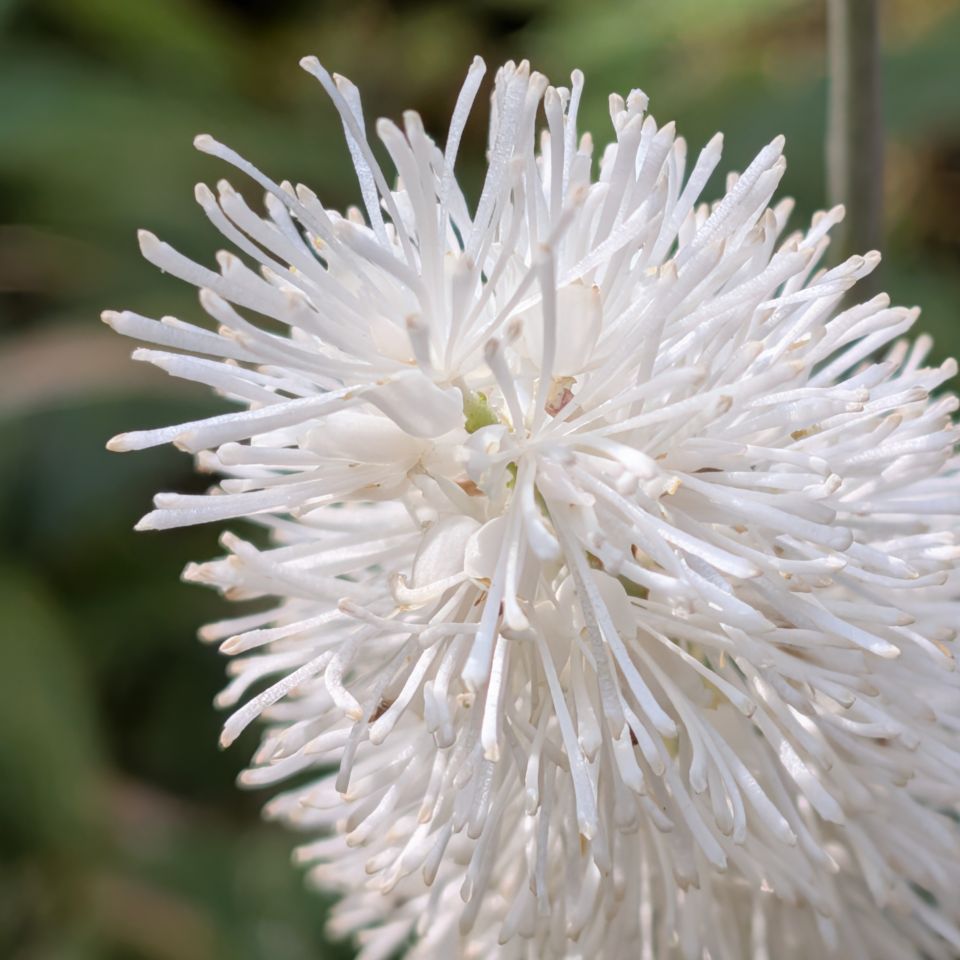
サラシナショウマは根茎が生薬「升麻」として感冒の発熱、頭痛、咽頭痛、口内炎、歯肉炎の初期症状に用いられます。トリテルペン配糖体、フェノール酸誘導体、クマリン・クロモン類を含有。おもに漢方の「補中益気湯」「乙字湯」「升麻葛根湯」「立効散」などに処方されます。
Fairy Candle
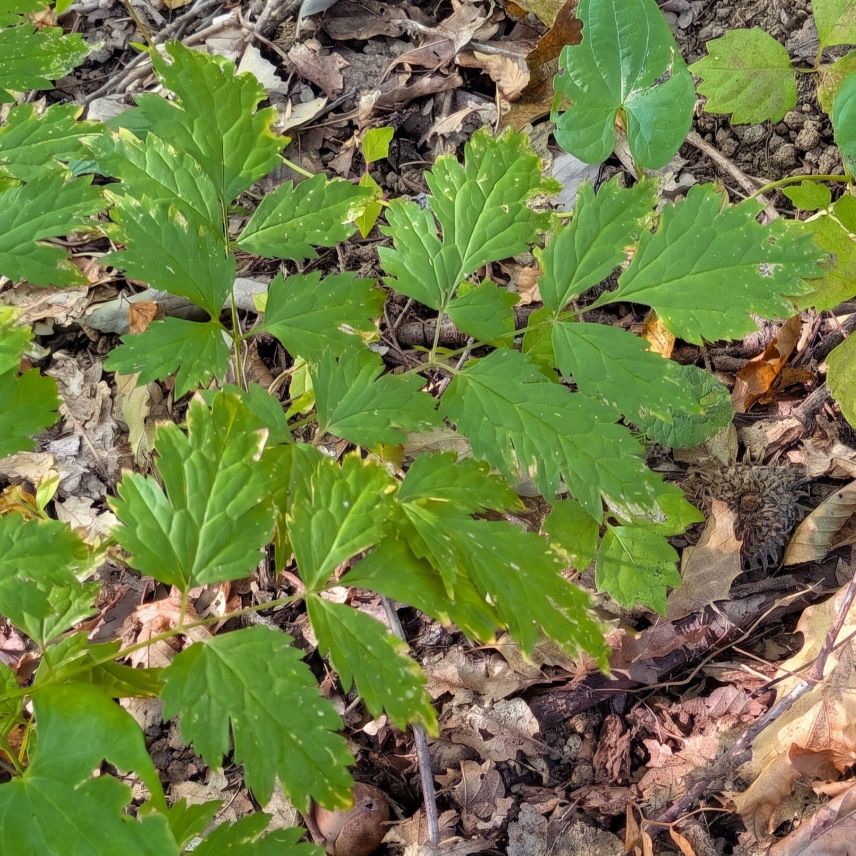
Cimicifuga simplex is a perennial herb in the buttercup family (Ranunculaceae). Native to Japan (Hokkaido, Honshu, Shikoku, and Kyushu), as well as China, Eastern Siberia, and the Kamchatka Peninsula, it thrives in bright, open deciduous forests. Its arching, fluffy flower spikes sway gracefully in the autumn breeze.
The Japanese name for this plant, sarashina-shoma, reflects its traditional uses: the leaves were soaked in water to remove bitterness and eaten as a vegetable (sarashina meaning “bleached greens”), while the rhizomes were harvested for traditional medicine known as shoma (Cimicifugae Rhizoma). The genus name, Cimicifuga, translates to “bug-repeller”—a nod to related species in the genus that emit a strong, foul odor. The specific epithet, simplex, means “simple” or “unbranched,” referring to the structure of its flower spikes.
Cimicifuga simplex develops from a short, dark-brown rhizome supported by thick, fibrous roots. Its basal leaves are tri-ternately compound with sharply serrated margins. The stalked flowers feature four to five petal-like sepals and numerous prominent stamens, arranged in dense racemes at the top of the stems. Upon blooming, the sepals quickly shed, leaving the stamens and pistils exposed. After flowering, the plant forms fruit in the form of follicles.
In Kampo and traditional medicine, the rhizome (shoma) is used to treat early-stage symptoms such as fever from colds, headaches, sore throats, mouth sores (stomatitis), and gingivitis. Rich in triterpene glycosides, phenolic acid derivatives, coumarins, and chromones, it is a key component in classic herbal formulas such as Hochuekkito, Otsujito, Shomakakkonto, and Rikkosan.