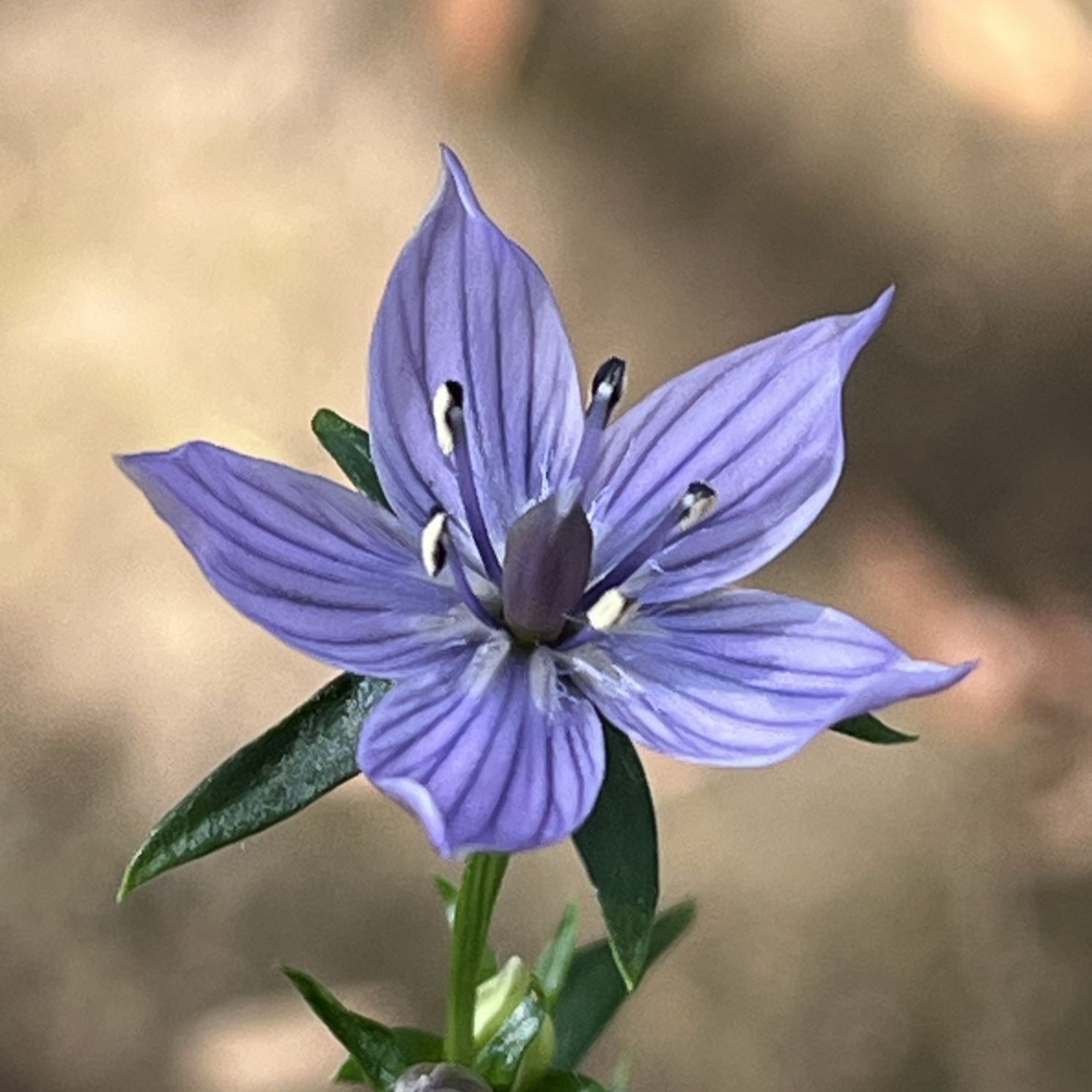
ムラサキセンブリは紫色の千振で、日当たりの良い草地や蛇紋岩地に自生。植生遷移による環境変化で衰退し、絶滅の恐れもある希少種です。
Swertia pseudochinensis is a violet-colored Swertia native to sunny grasslands and serpentine rocks. It is a rare species that is in danger of extinction and has declined due to environmental changes caused by vegetation succession.
【仮名】ムラサキセンブリ
【和名】紫千振
【英名】Swertia pseudochinensis
【学名】Swertia pseudochinensis
【誕生】09/ ??
【開花】09, 10, 11, 12月
【花色】Purple, Violet
ムラサキセンブリ
ムラサキセンブリの概要
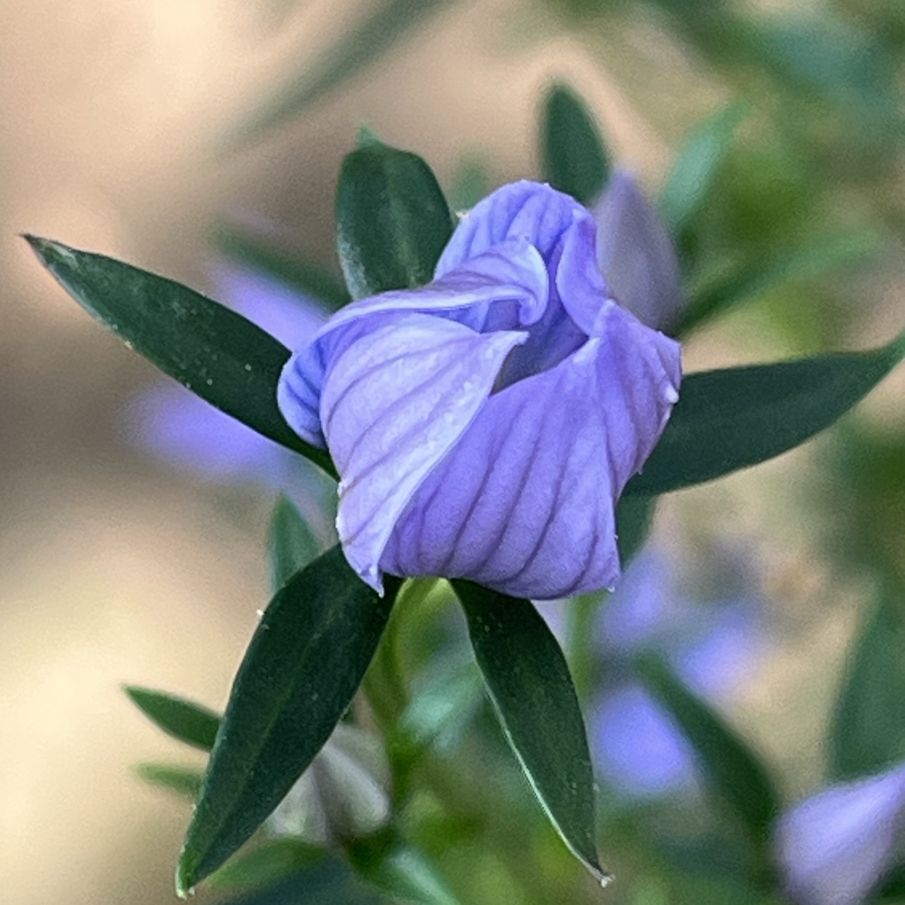
ムラサキセンブリはリンドウ科センブリ属の二年草。日本では本州の関東以西、四国、九州、国外では朝鮮半島、中国東北〜中部、ロシア極東のアムール地方に分布しています。日当たりの良い草地や蛇紋岩地に自生。植生遷移による環境変化で衰退し、絶滅の恐れもある希少種です。
ムラサキセンブリの名前
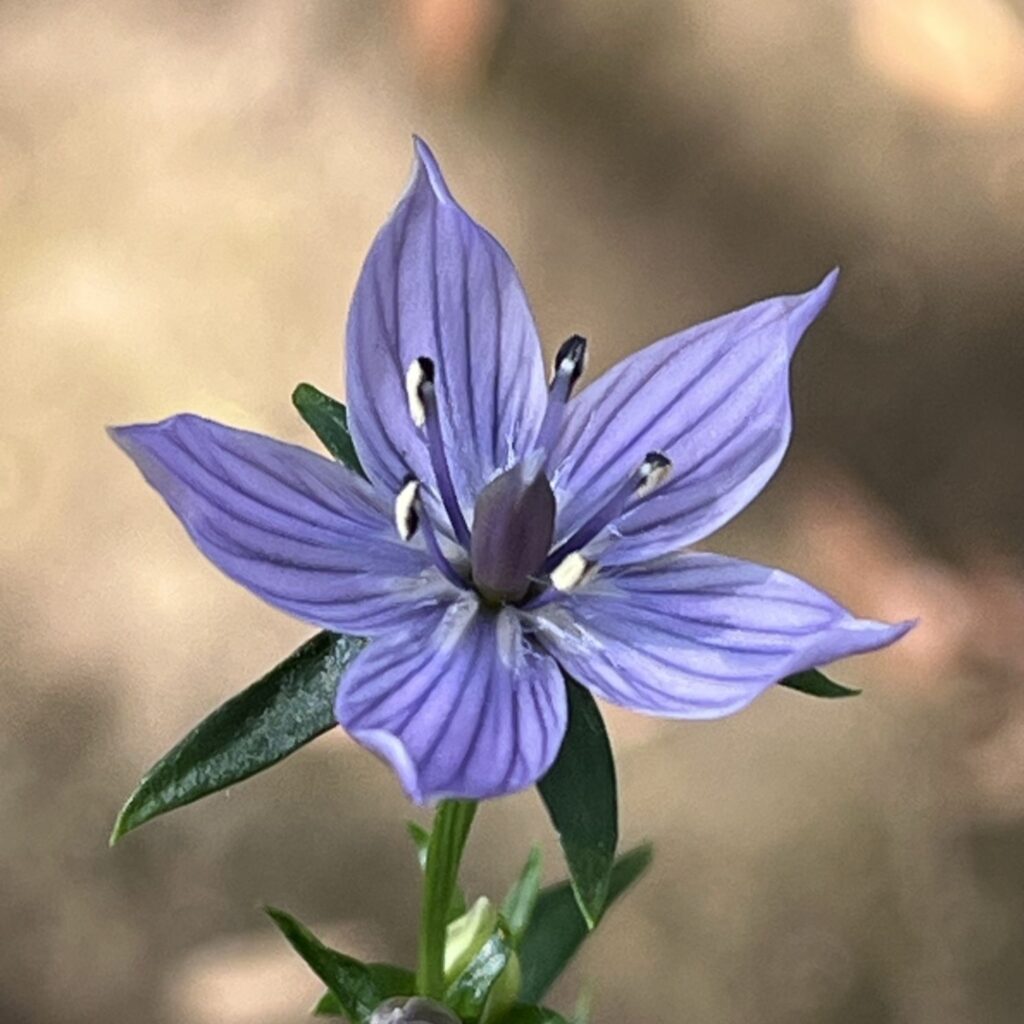
ムラサキセンブリの名前の由来は花が紫色の「千振」だから。千振は「煎じても煎じても苦味が消えない薬草」という意味です。属名スウェルティアは16世紀のオランダの園芸家エマヌエル・スウェールツへの献名。種小名プセウドキネンシスは「中国種に似ている」という意味です。
ムラサキセンブリの姿形
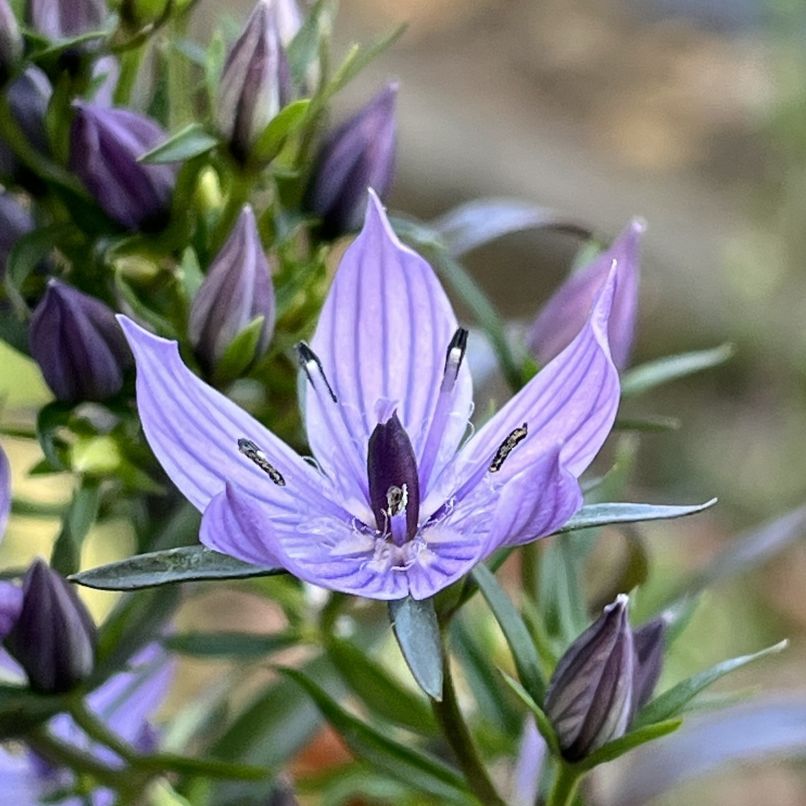
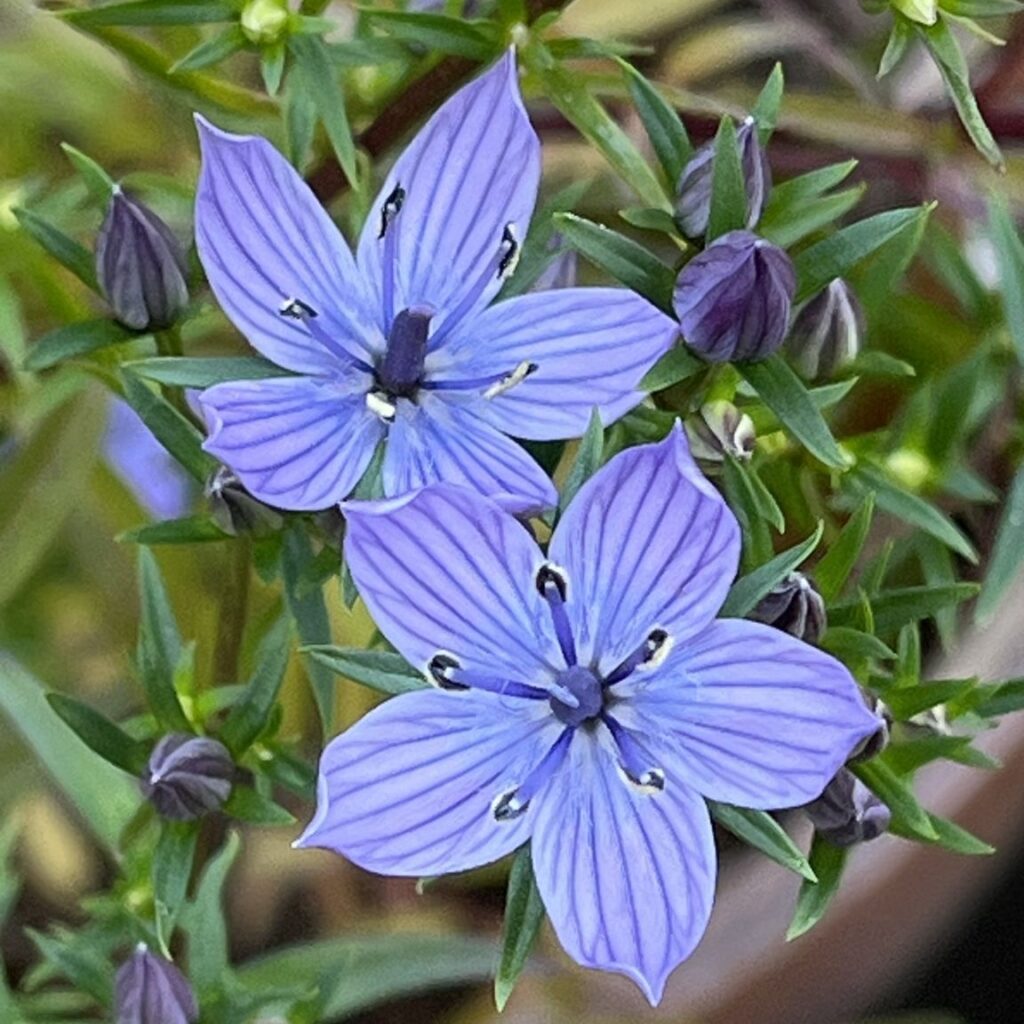
ムラサキセンブリの根は浅く広がって繊維状。茎は四稜で直立し、上部で分枝します。葉は対生の線状披針形。花は花冠が5裂、雄しべが5本で、上を向いて咲きます。花被は筋が入り、基部に蜜腺溝が2つ、縁に長く縮れた毛。亜球形の蒴果を結び、熟すと裂けて種子を散らします。
ムラサキセンブリの近縁
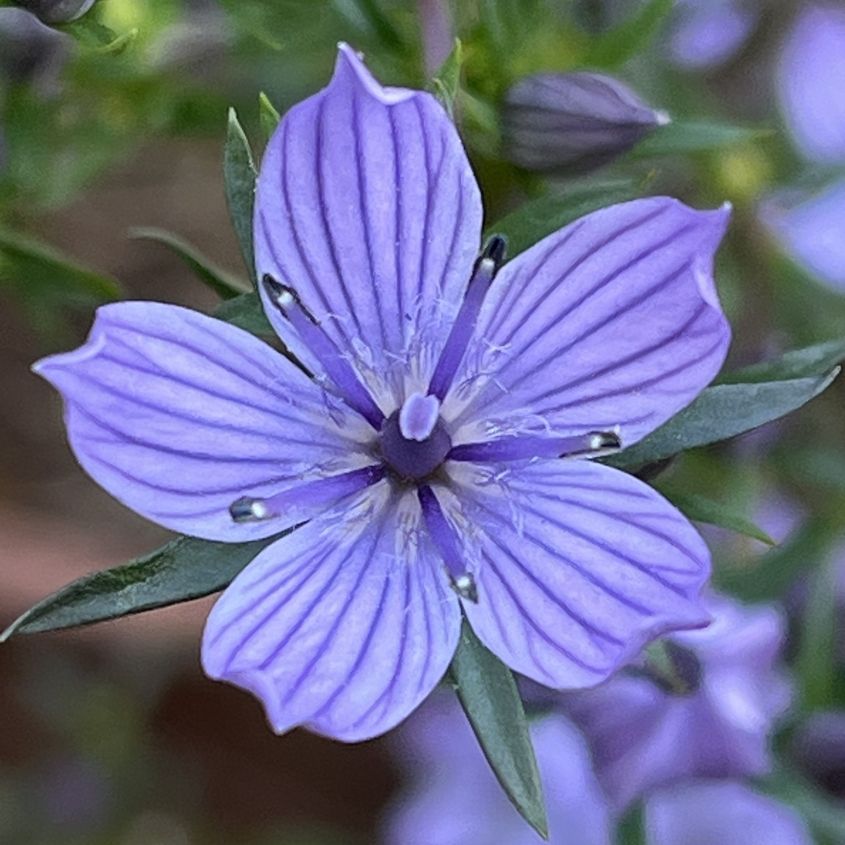
ムラサキセンブリの近縁種「千振」は日本三大民間薬の一つ。昔から消化不良、食欲不振などに用いられました。文字通り「煎じても煎じても味が消えないくらい苦い薬草」。花の形や蜜腺溝、縮毛などがよく似ているものの、全体的に小ぶりで、花もやや小さく、白色~淡紫色です。
Swertia pseudochinensis
Swertia pseudochinensis is a biennial herb of the Gentianaceae family. It is found in Japan, west of the Kanto region of Honshu, Shikoku, and Kyushu, and overseas in the Korean Peninsula, northeastern and central China, and the Amur region of the Russian Far East. It grows naturally in sunny grasslands and serpentine rocks. It is a rare species that is in danger of extinction due to environmental changes caused by vegetation succession.
The Japanese name for Swertia pseudochinensis means “Swertia with violet flowers.” The Japanese name for Swertia means “a medicinal herb whose bitterness persists even after repeated decoctions.” The genus name Swertia is a tribute to the 16th-century Dutch horticulturist Emanuel Sweert. The specific name, pseudochinensis, means “resembling the Chinese species.”
Swertia pseudochinensis has shallow, spreading, and fibrous roots. The stems are four-sided, upright, and branched at the top. The leaves are opposite, linear-lanceolate. The flowers have a five-lobed corolla and five stamens, and bloom upward. The perianth is veined, has two nectar grooves at the base, and has long, curly hairs on the margins. The plant produces a subglobular capsule that splits open to scatter the seeds when ripe.
Swertia japonica, a closely related species to Swertia pseudochinensis, is one of Japan’s three major folk medicines. It has long been used to treat indigestion and loss of appetite. Its Japanese name means “a medicinal herb so bitter that its flavor remains even after repeated decoctions.” Although the flower shape, nectar gland grooves, and curly hairs are very similar to those of Swertia pseudochinensis, it is smaller overall, and the flowers are also slightly smaller, ranging from white to pale purple.