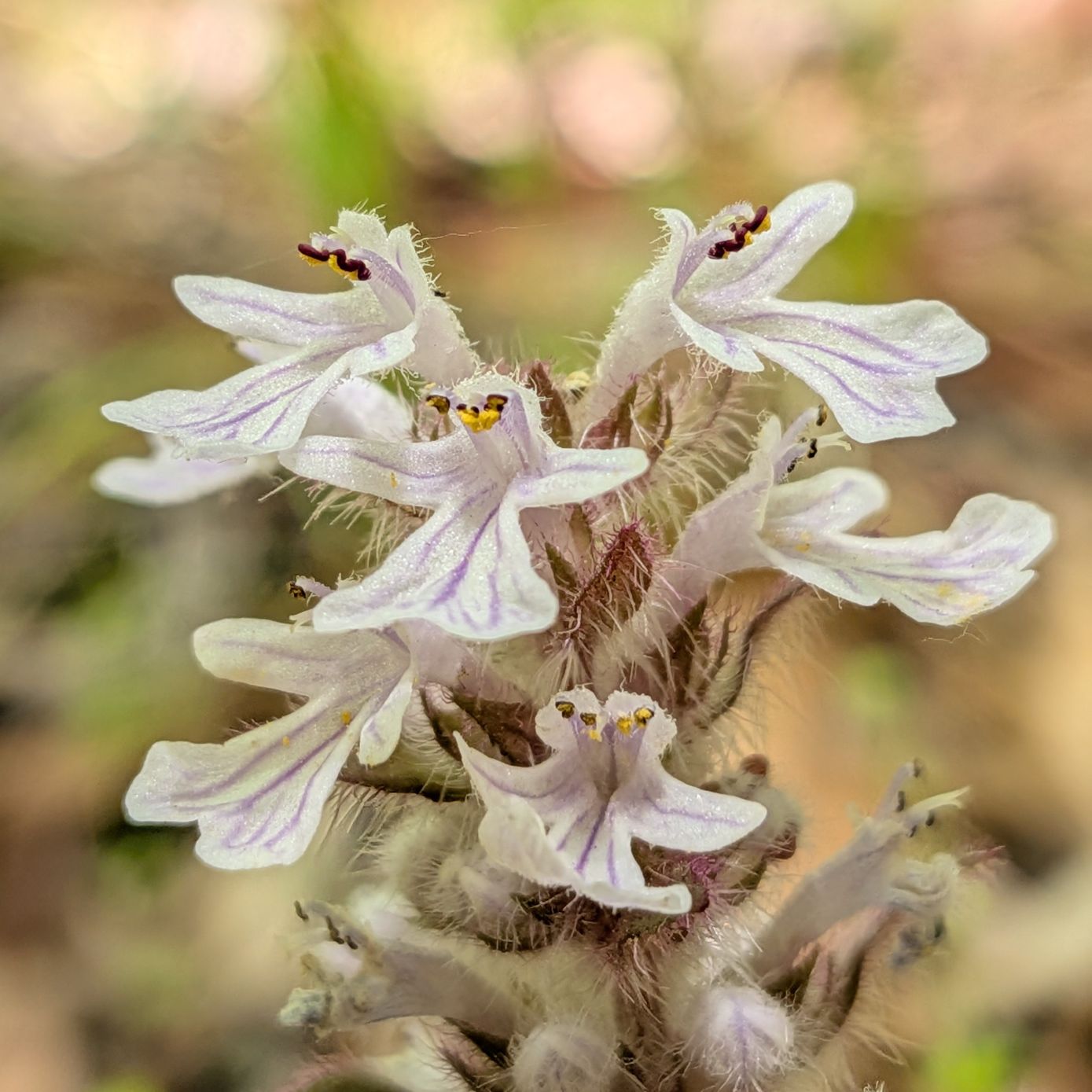
ジュウニヒトエの和名の由来は平安時代の装束。白色の長毛に覆われた茎に淡い紫色の唇形花を連ね、嫋やかな公家女性のように御座します。
The Japanese name “Junihitoe” is derived from the court attire of the Heian period. With its stems covered in long white hairs and tiers of pale purple, two-lipped flowers, the plant stands with the quiet grace of a noble court lady.
【仮名】ジュウニヒトエ
【和名】十二単
【英名】Junihitoe
【学名】Ajuga nipponensis
【誕生】04/ 11, 04/ 26, 05/ 11
【開花】04, 05月
【花色】White, Pink, Purple, Violet
ジュウニヒトエ
ジュウニヒトエの概要
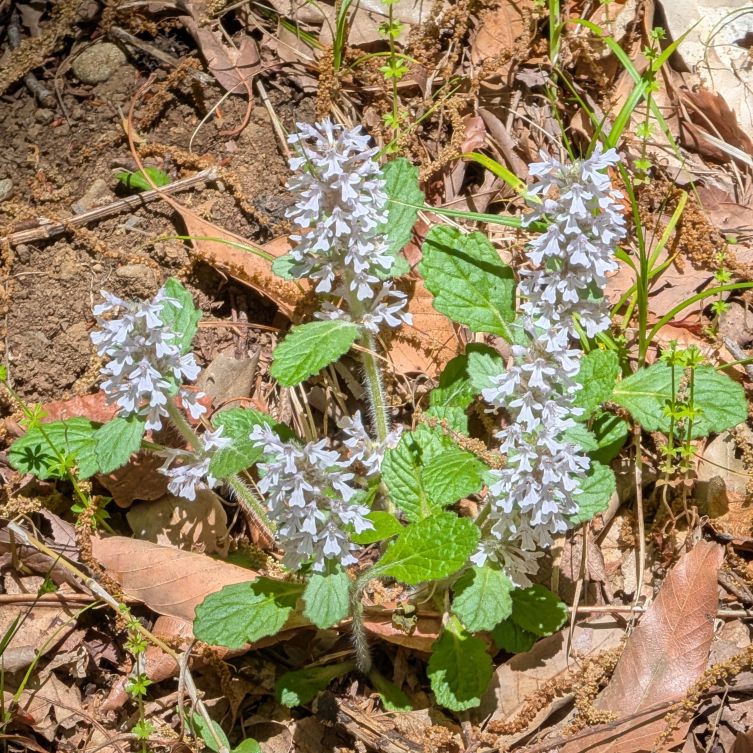
ジュウニヒトエはシソ科キランソウ属の多年草です。日本では本州の宮城県と山形県以南、四国、九州、国外では台湾、中国に分布し、低山・丘陵・林縁など、陽当たりの良いところで自生。白色の長毛に覆われた茎に淡い紫色の唇形花を連ね、嫋やかな公家女性のように御座します。
ジュウニヒトエの名前
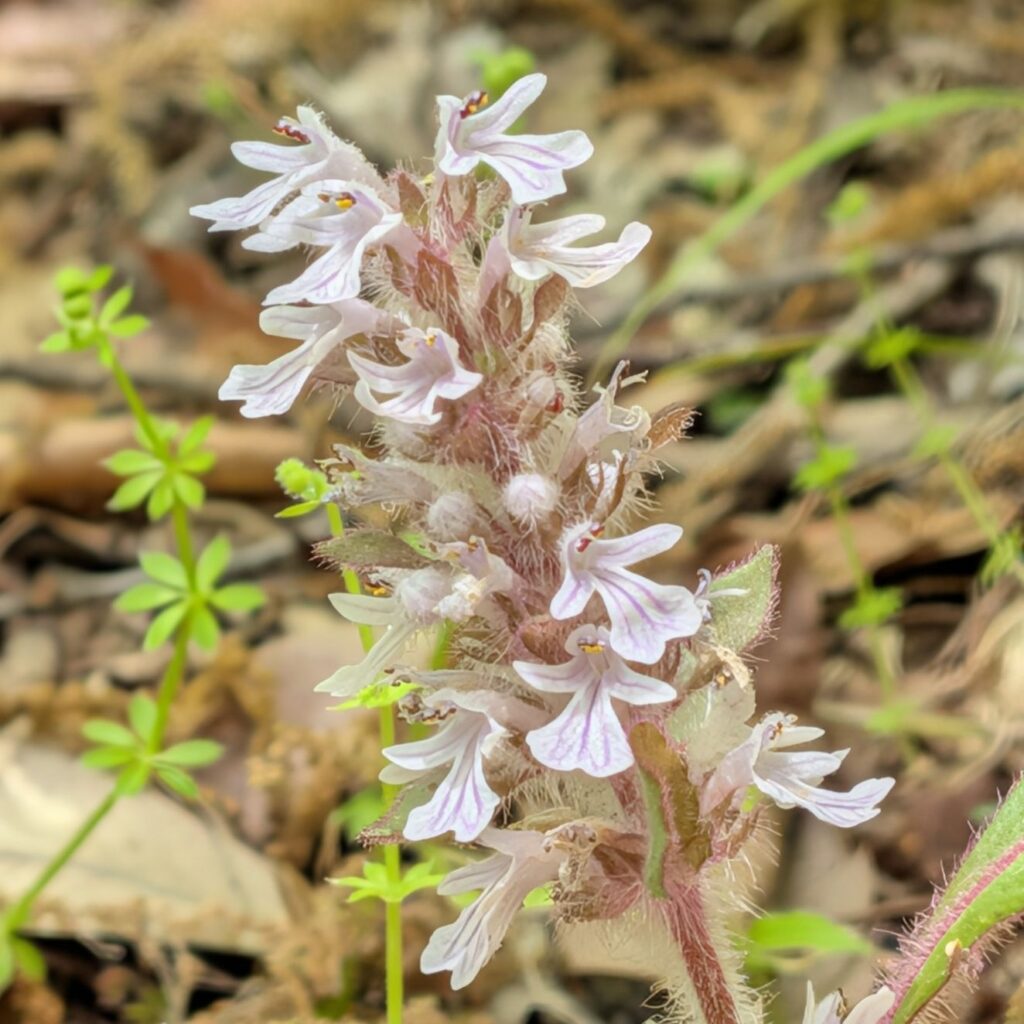
ジュウニヒトエの和名の由来は、穂状に重なり合って咲く花々の姿が、平安時代の公家女性の装束「十二単」のようだから。十二は「たくさんの」、単は「裏地のない薄衣」という意味です。属名アジュガは「対にならない」という意味。唇形花の小さな上唇と大きな下唇を表します。
ジュウニヒトエの姿形
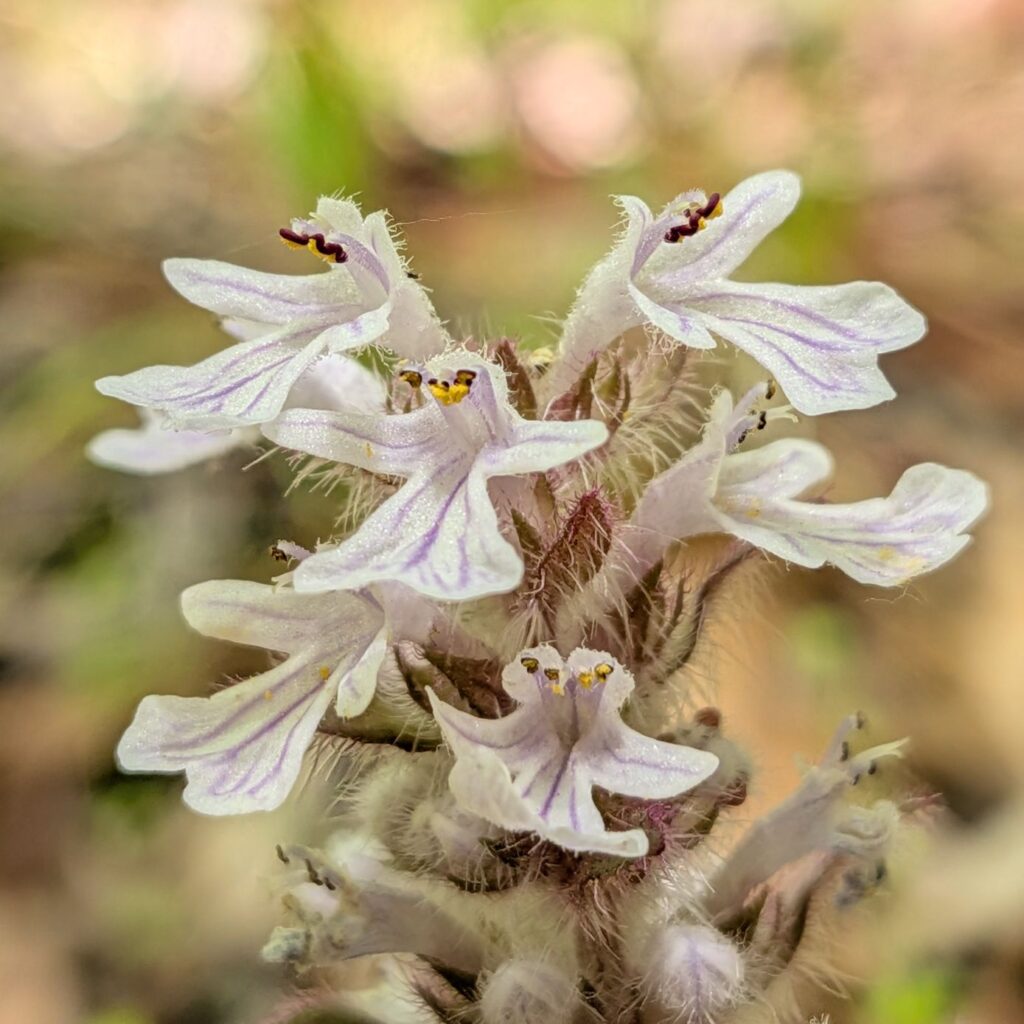
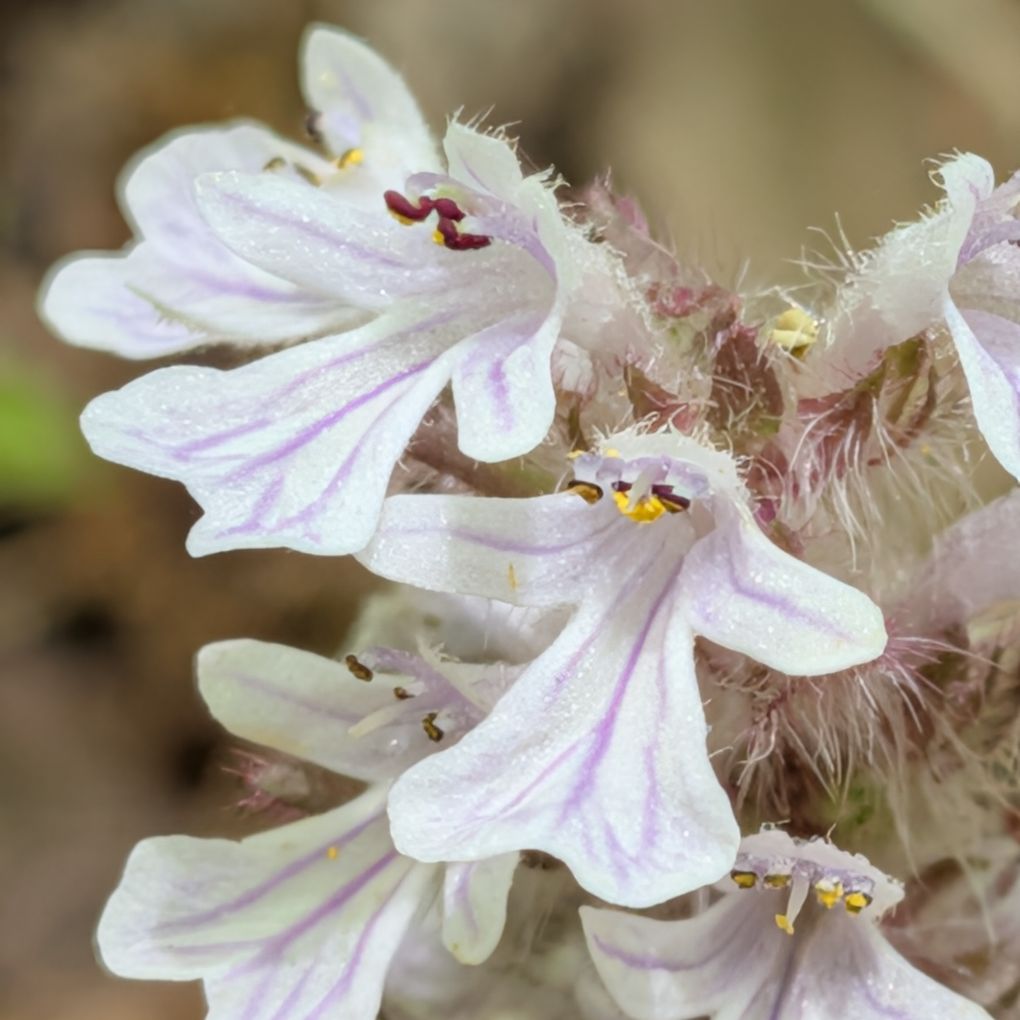
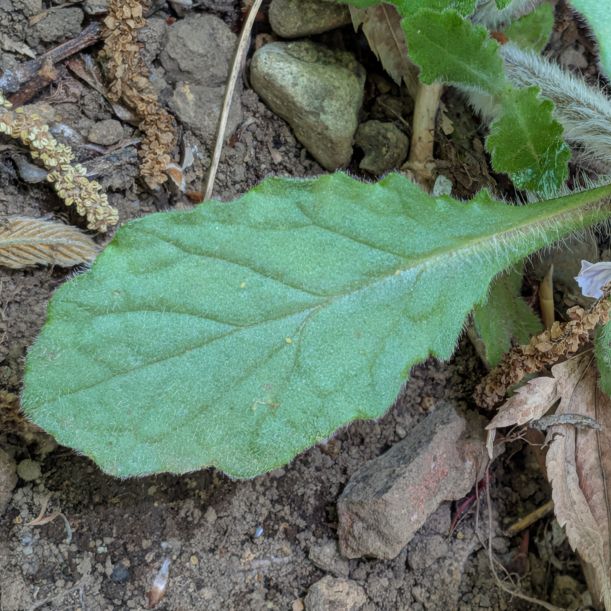
ジュウニヒトエは太く短い根茎から多くの細根が伸長。茎は4陵で直立し、白色の長毛が密生します。葉は倒卵状長楕円形で波状の鋸歯があり、根生葉が放射状、茎生葉が対生。花は輪生の唇形花を穂状に連ねます。上唇が浅く2裂、下唇が深く3裂。花後に小さな4分果を結びます。
ジュウニヒトエの近縁
ジュウニヒトエの近縁種「金瘡小草」は葉と花の形が似ています。一方、別名「地獄の釜の蓋」の通り、茎が立たずに地面を這い広がり、濃い青紫色の花々が絨毯のよう。交雑種「十二金瘡小草」は、十二単のように茎を立ち上げ、金瘡小草のように濃い青紫色の花を咲かせます。
Junihitoe
Ajuga nipponensis, commonly known as Junihitoe, is a perennial herb belonging to the mint family (Lamiaceae). In Japan, it is distributed from Honshu (south of Miyagi and Yamagata prefectures) down to Shikoku and Kyushu. It is also found internationally in Taiwan and China, growing wild in sunny locations such as low mountains, hills, and forest edges. Its erect stems, densely covered in long white hairs, bear rows of pale purple, two-lipped flowers, embodying the elegant presence of a traditional court lady.
The Japanese name “Junihitoe” comes from the way its flowers bloom in overlapping spikes, resembling the multi-layered ceremonial robes (junihitoe) worn by court ladies during the Heian period. In this context, juni means “many” (literally twelve), and hitoe refers to a “thin, unlined garment.” The genus name Ajuga translates to “not paired,” which highlights the distinct asymmetry between the flower’s small upper lip and large lower lip.
Junihitoe features a thick, short rhizome from which numerous fine roots extend. Its stems are erect, four-angled, and densely covered with long white hairs. The leaves are obovate-oblong with wavy, serrated margins; the basal leaves form a radial rosette, while the stem leaves grow in opposite pairs. The two-lipped flowers are arranged in whorls along a spike. The upper lip is shallowly two-lobed, and the lower lip is deeply three-lobed. After blooming, it produces small fruit split into four nutlets.
A close relative, Ajuga decumbens (known in Japan as Kiransou), shares a similar leaf and flower shape. However, true to its dramatic alternative name, “Lid of Hell’s Cauldron,” its stems creep flat along the ground instead of standing upright, creating a carpet of deep bluish-purple flowers. The hybrid Ajuga × mixta combines traits from both parents, featuring the upright stems of Junihitoe and the vibrant, deep bluish-purple blossoms of Ajuga decumbens.