フサフジウツギは中国で葉醉魚草と呼ばれ、日本では園芸名ブッドレア。豊潤な花蜜が蝶を誘い、英国ではバタフライブッシュと呼ばれます。
The butterfly bush is known in China as Zuiyucao (“drunken-fish herb”) and in Japan by its horticultural name, Buddleja. Its English name derives from the way its abundant, sweet nectar draws butterflies.
【仮名】フサフジウツギ, ブッドレア
【和名】房藤空木
【英名】Butterfly Bush, Summer Lilac
【学名】Buddleja davidii
【誕生】07/ 12, 09/ 13, 10/ 23
【開花】07, 08, 09, 10月
【花色】White, Pink, Red, Purple, Violet, Blue
フサフジウツギ
フサフジウツギの概要
フサフジウツギはゴマノハグサ科の落葉小低木。原産地の中国中西部から、圧倒的な繁殖力と適応力で世界中に広がりました。中国では昔、毒漁に用いられて大葉醉魚草と呼ばれ、日本では園芸名ブッドレア。豊潤な花蜜が多くの蝶を誘い、英国ではバタフライブッシュと呼ばれます。
フサフジウツギの名前
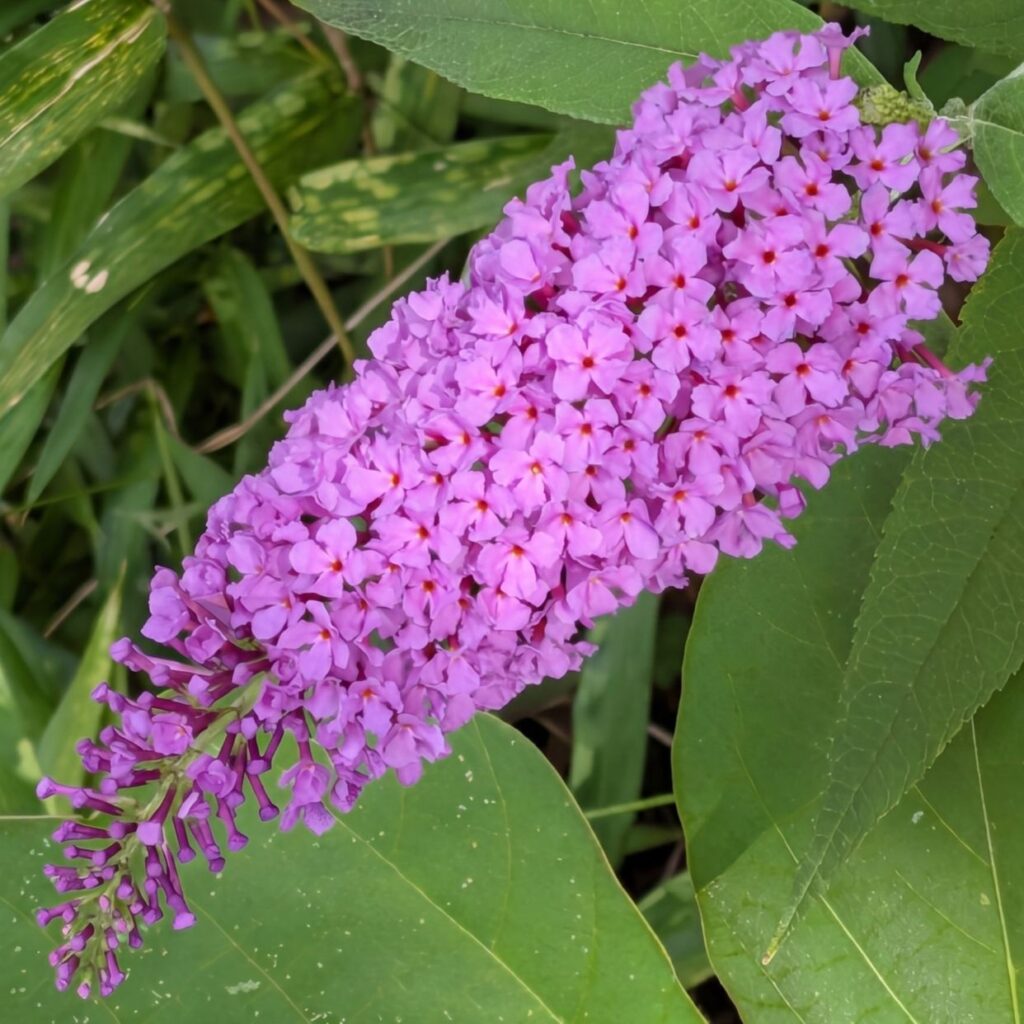
フサフジウツギの和名の由来は、花を房状に咲かせ、藤に似ていて、枝が中空になる木だから。属名ブッドレアは17~18世紀の英国で植物に造詣が深かった聖職者アダム・バドル、種小名ダヴィディは19世紀に中国で標本を採集したフランスの宣教師アルマン・ダヴィドへの献名です。
フサフジウツギの姿形
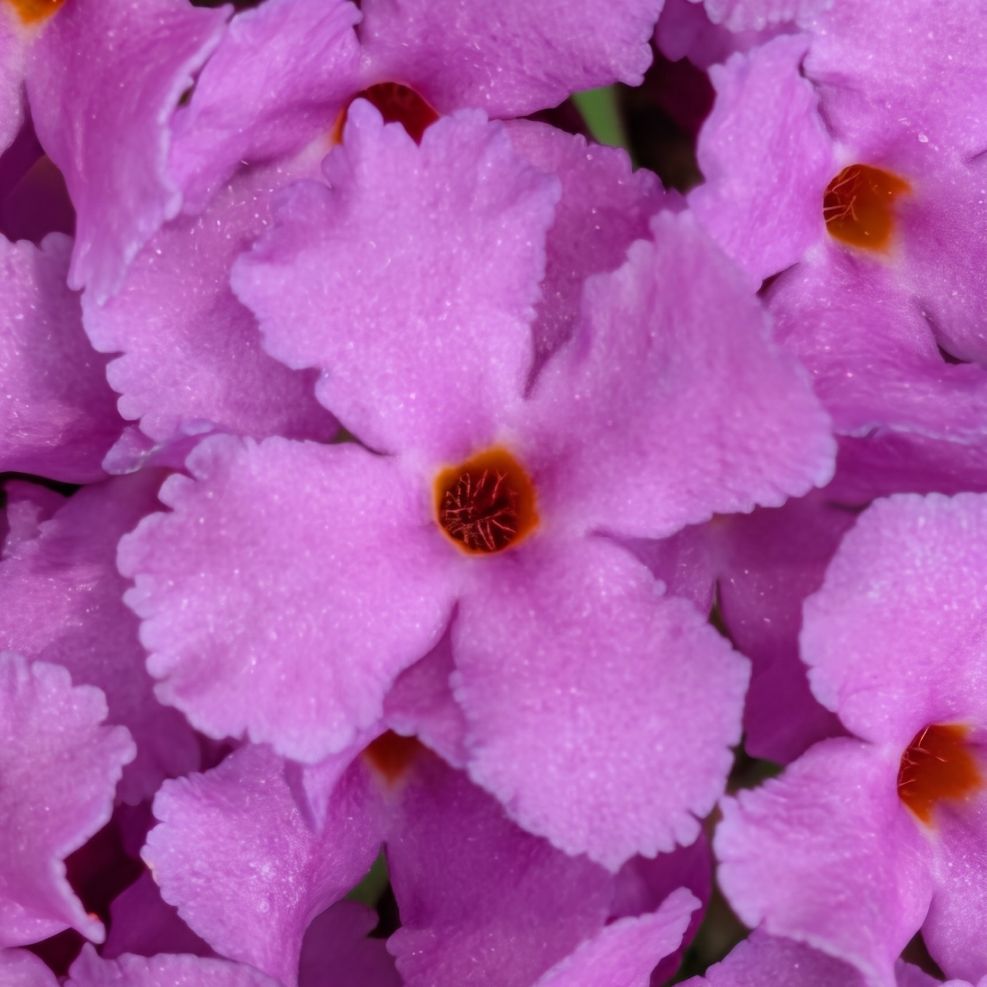
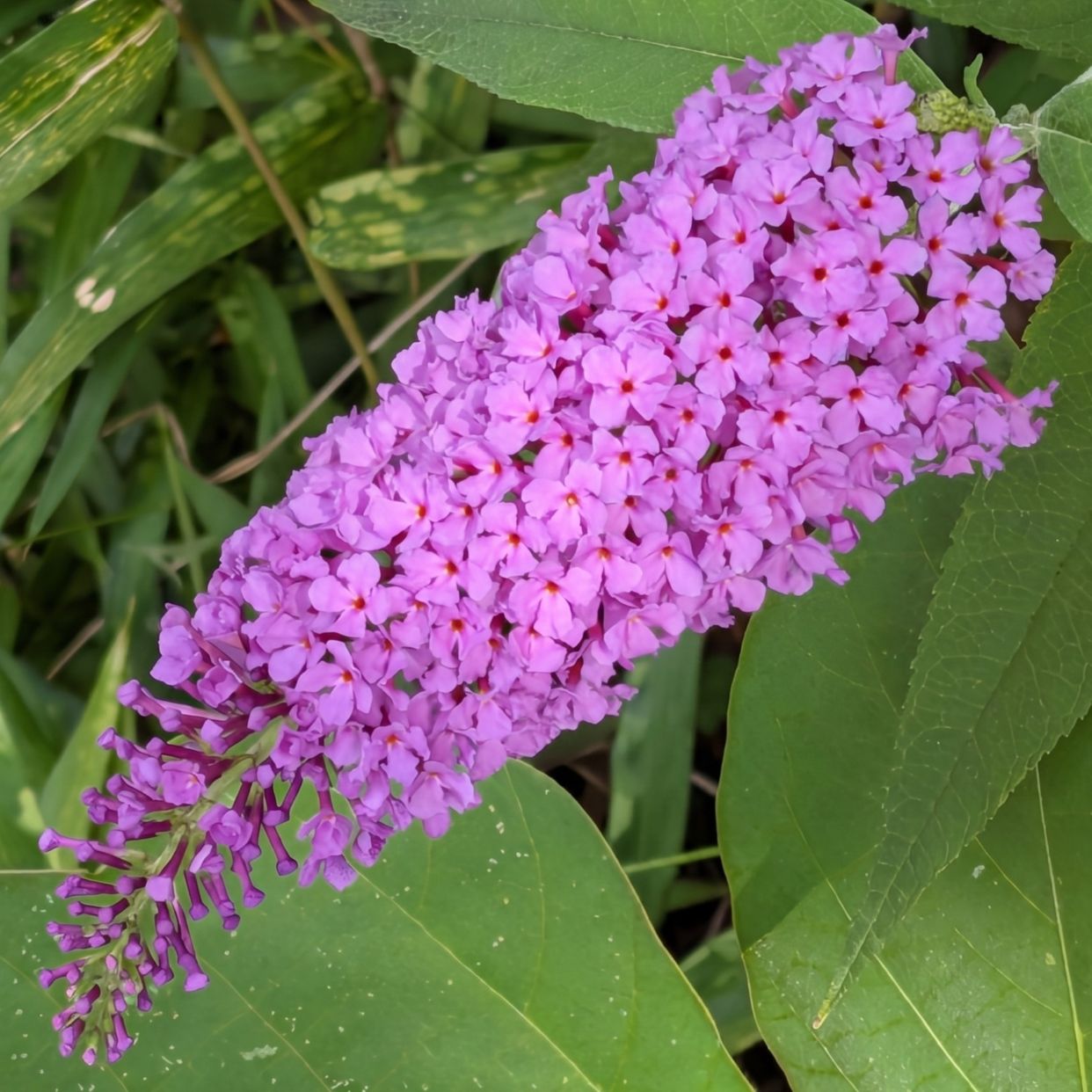
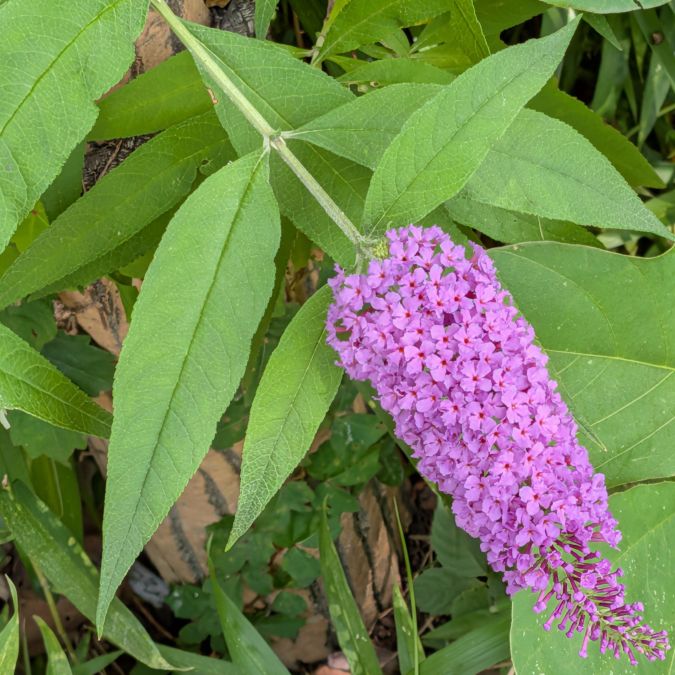
フサフジウツギの根は強靭で広く深く張ります。若枝は芯に髄があるものの、老枝で消失。葉は対生の披針形で浅い鋸歯があります。花は筒状で4裂、中心の橙色が蜜標、目立たない雄しべが4本。枝先で円錐状に集まって咲きます。花後の蒴果は熟すと裂け、微細な種子が風で飛散。
フサフジウツギの逸話

フサフジウツギの原産地は山間の礫地。19~20世紀に中国から英国へ種子が持ち込まれ、観賞用に栽培が広がりました。しかし、ロンドンは第二次世界大戦の空襲で市街地が破壊され、多くの人々が犠牲に。そこに戦後いち早く、紫色の花々が瓦礫を覆い、多くの蝶が舞い飛びました。
Butterfly Bush
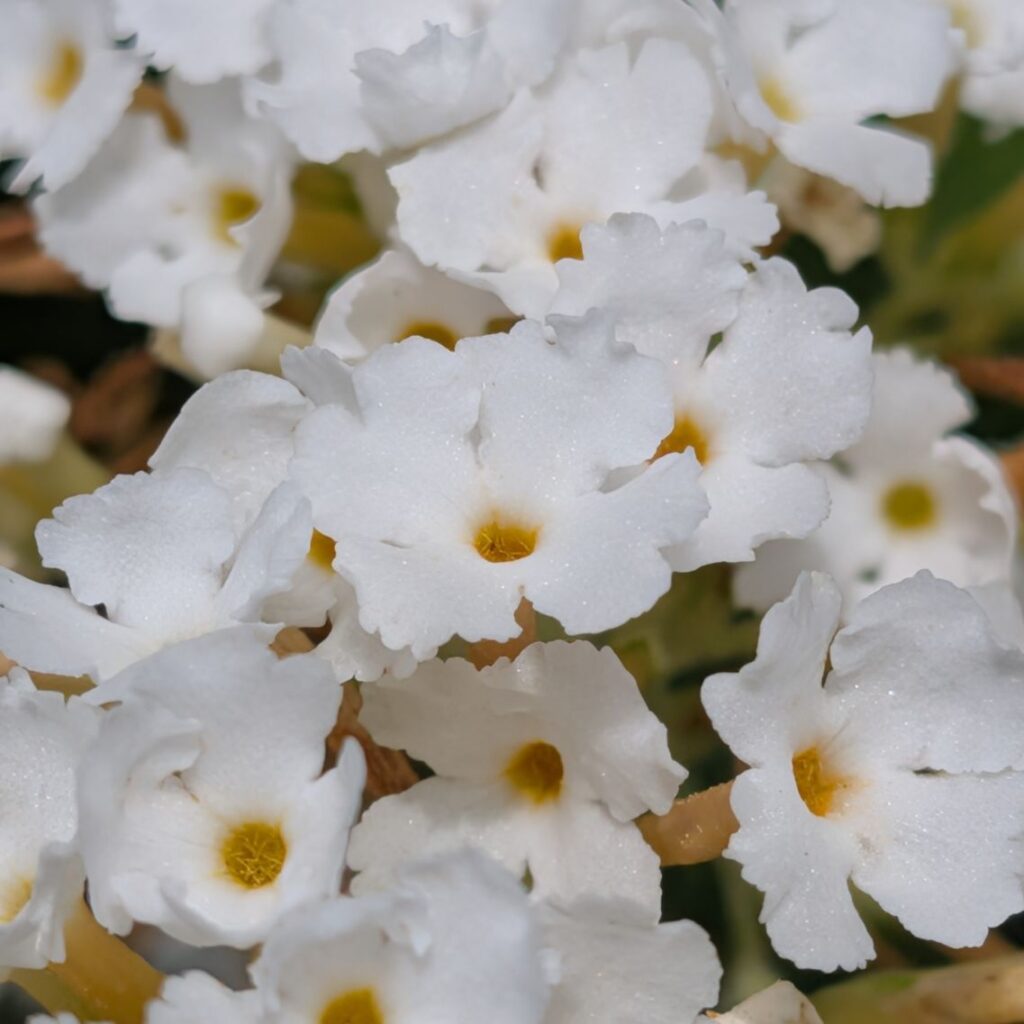
The butterfly bush is a small deciduous shrub belonging to the figwort family (Scrophulariaceae). Native to central and western China, it has spread globally due to its extraordinary reproductive capacity and adaptability. Historically in China, it was used for toxic fishing, which earned it the name Daye Zuiyucao (“large-leaf drunken-fish herb”), whereas in Japan, it is widely recognized by its horticultural name, Buddleja. Its English common name reflects how its rich nectar attracts butterflies.
In Japanese, its common name (Fuji-utsugi) translates to “a tree with hollow branches that bears wisteria-like flower clusters.” The genus name Buddleja honors Reverend Adam Buddle, an 18th-century English cleric and botanist, while the specific epithet davidii pays tribute to Father Armand David, the 19th-century French missionary who first collected specimens of the plant in China.
The butterfly bush features a robust root system that anchors deeply and spreads widely. Its young stems contain a soft, pithy core that disappears as the wood matures. The lanceolate leaves grow in opposite pairs with finely serrated margins. The individual flowers are tubular, opening into four lobes with a bright orange eye at the center that serves as a nectar guide, concealing four tiny stamens. These flowers bloom in dense, conical clusters at the tips of the branches. After flowering, the seed capsules split open as they ripen, releasing minuscule seeds to be dispersed by the wind.
Originally at home in the rocky slopes of mountainous China, butterfly bush seeds were introduced to Britain in the late 19th century, where it was eagerly cultivated as an ornamental plant. Decades later, during the Blitz of World War II, London’s urban landscape was devastated by air raids, leaving behind tragic casualties and heaps of rubble. Yet, in the aftermath, the resilient butterfly bush was among the first plants to reclaim the ruins—covering the scarred earth with vibrant purple blossoms and bringing life back to the city with clouds of fluttering butterflies.