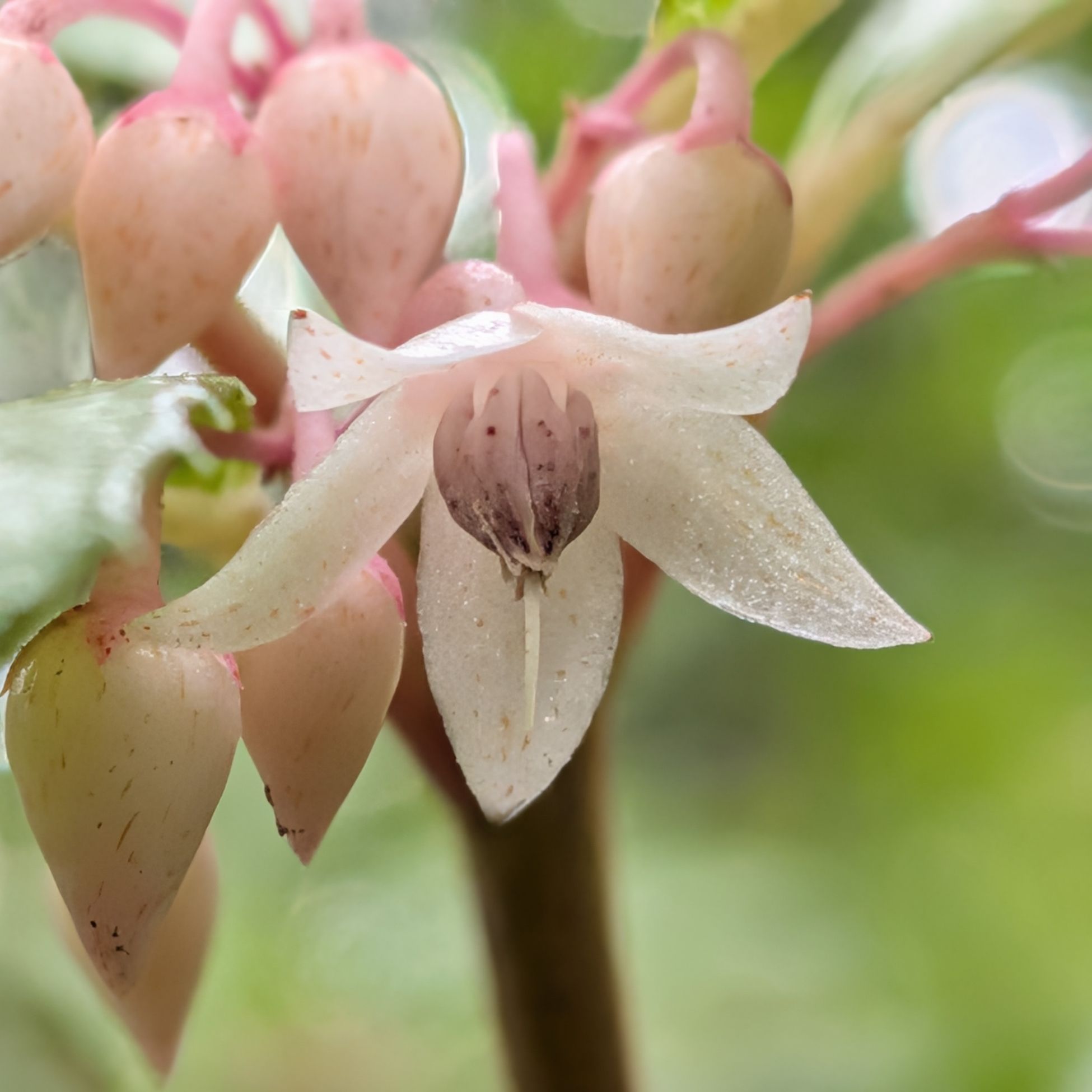
ヤブコウジは山地の薄暗く、湿り気のある林内で群生。夏~秋に淑やかな薄桃色の花々を咲かせ、秋~冬に艶のある鮮紅色の果実を結びます。
Japanese ardisia grows in colonies within the dim, moist forests of mountainous regions. It produces graceful, pale pink flowers from summer to autumn, followed by glossy, bright red berries from autumn to winter.
【仮名】ヤブコウジ, ジュウリョウ
【和名】薮柑子, 十両
【英名】Japanese Ardisia
【学名】Ardisia japonica
【誕生】12/ 14, 12/ 30
【開花】07, 08月
【花色】White, Pink
ヤブコウジ
ヤブコウジの概要
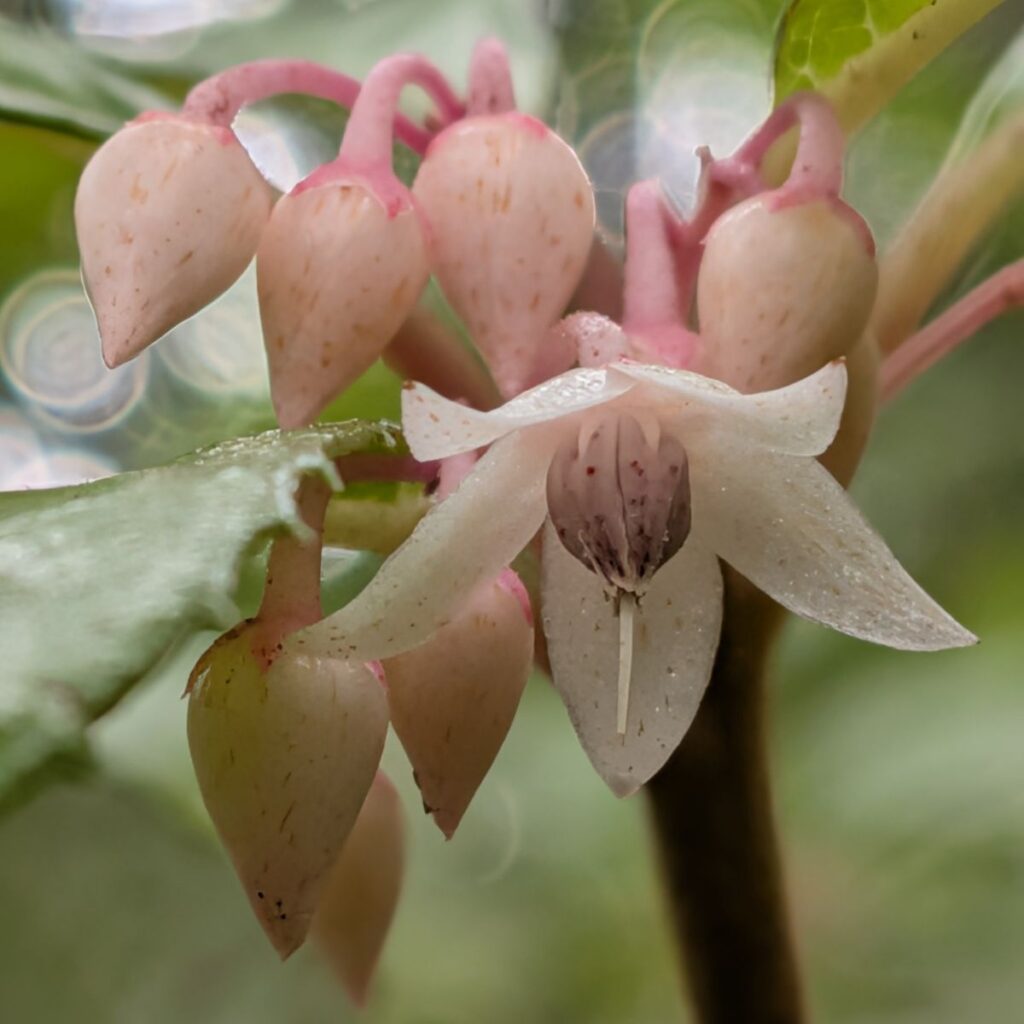
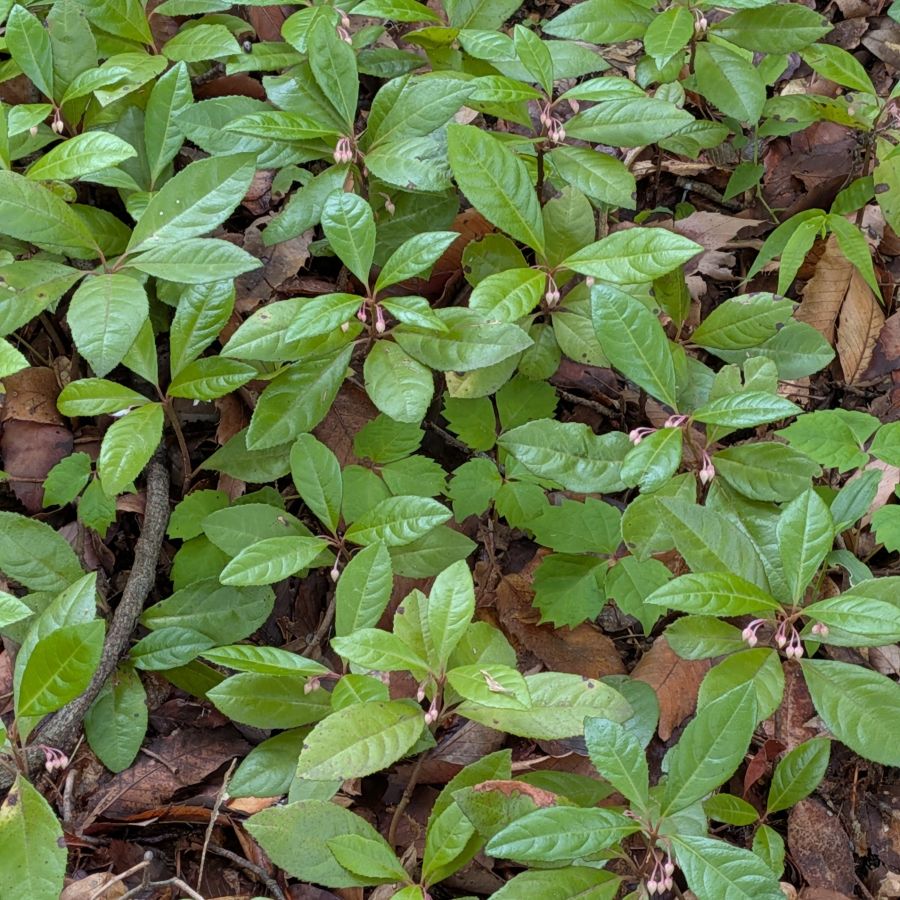
ヤブコウジはサクラソウ科の常緑小低木。日本では北海道から本州、四国、九州、沖縄まで、国外では朝鮮半島から中国中南部、台湾まで分布しています。山地の薄暗く、湿り気のある林内で群生。夏~秋に淑やかな薄桃色の花々を咲かせ、秋~冬に艶のある鮮紅色の果実を結びます。
ヤブコウジの名前
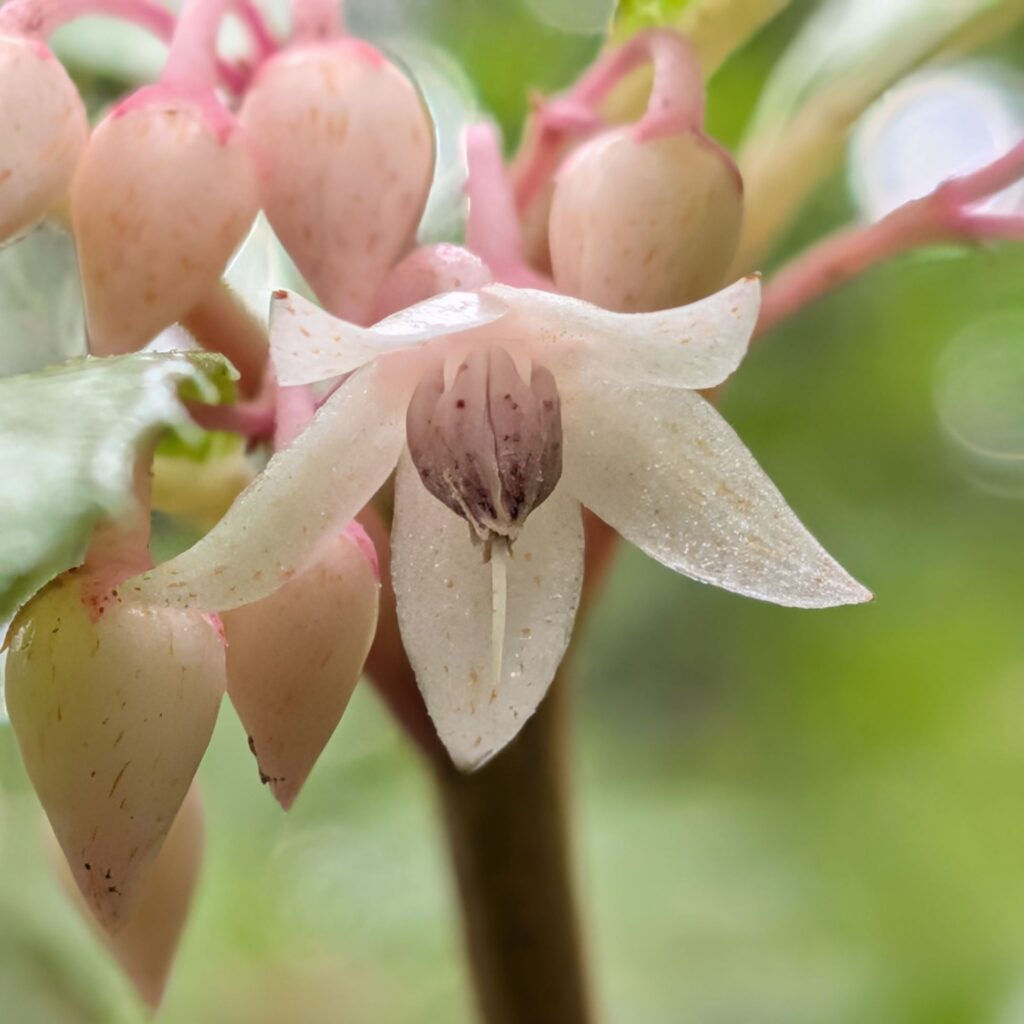
ヤブコウジの名前の由来は「藪」に自生し、柑橘類の「柑子」を思わせる実を着けるから。奈良時代の『万葉集』では古名「山橘」で詠まれ、江戸時代にはお正月の縁起物として「十両」と呼ばれました。属名アルディシアは「矢尻」という意味で、雄しべや花被片が尖っているから。
ヤブコウジの姿形
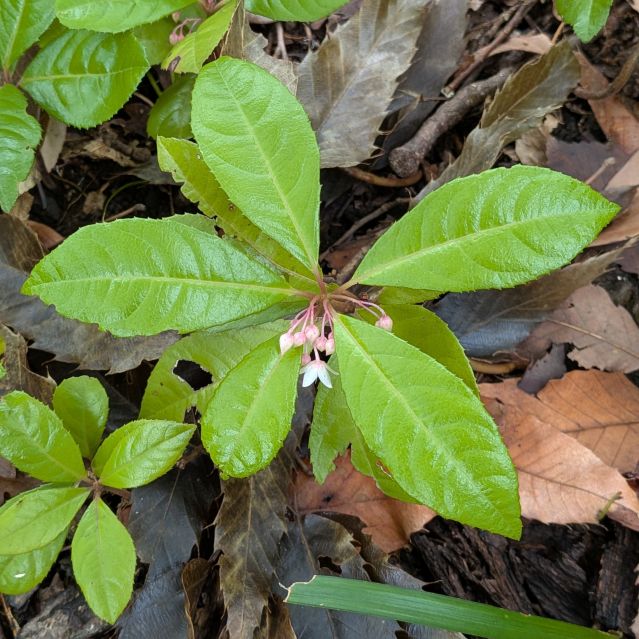
ヤブコウジは地下茎が四方に這い伸び、節々から細根が伸長。地上茎は直立し、時間とともに木質化します。葉は先の尖った楕円形で互生。革質で光沢があり、縁に鋸歯があります。花は下を向き、花冠が深く5裂、雄しべが5本。花後は丸い核果を結び、鮮やかな赤色へと熟します。
ヤブコウジの利用
ヤブコウジは、生薬「紫金牛」として、天日干しの全草が咳止め、痰切り、解熱、解毒、血行促進に用いられました。一方、お正月の縁起物「十両」として、床の間の飾りや生け花、門松のあしらいに。「万両」「千両」「唐橘(百両)」「蟻通し(一両)」とともに植えられました。
Japanese Ardisia
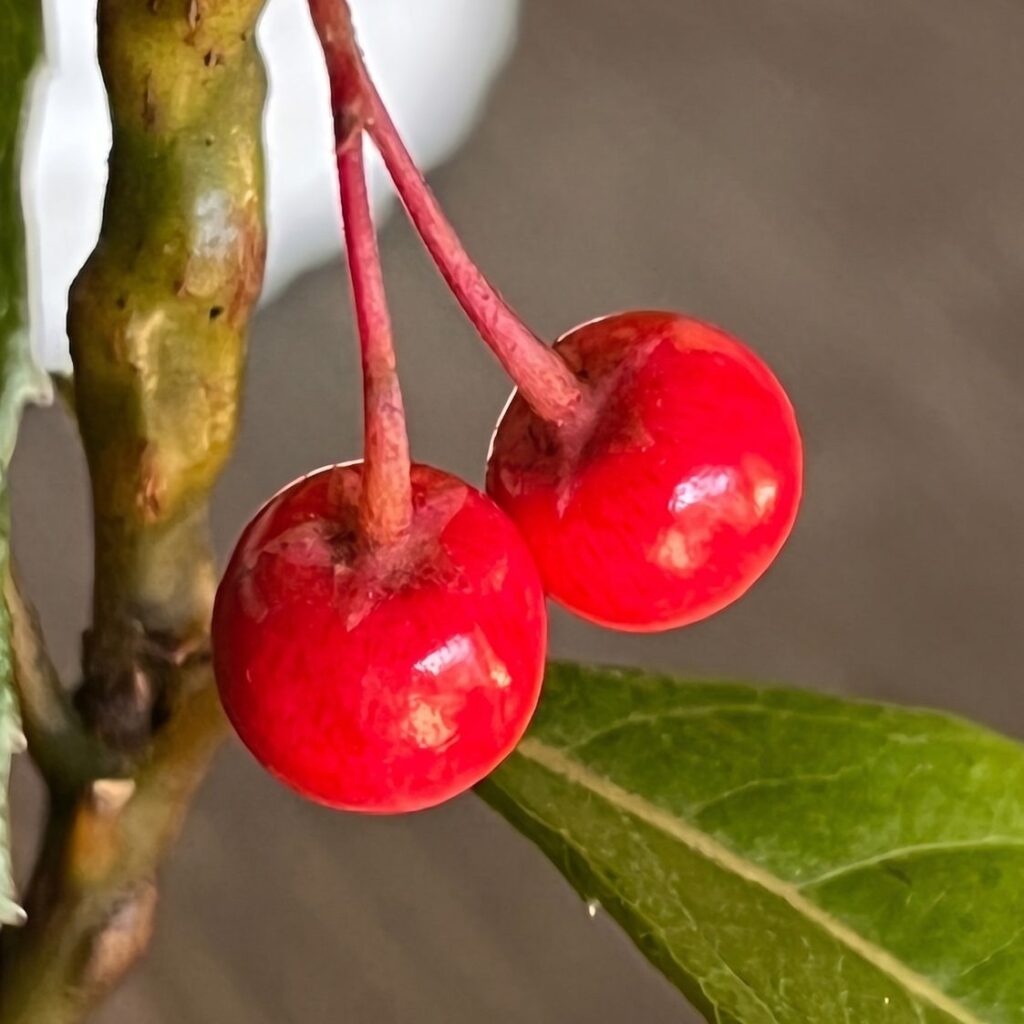
The Japanese ardisia (Ardisia japonica) is a small evergreen shrub belonging to the Primulaceae family. In Japan, its distribution ranges from Hokkaido, Honshu, Shikoku, and Kyushu to Okinawa, and extends overseas to the Korean Peninsula, central-southern China, and Taiwan. It thrives in colonies within the dim, moist forests of mountainous regions, producing graceful, pale pink flowers from summer to autumn and bearing glossy, bright red berries from autumn to winter.
The Japanese name for the plant, Yabukouji, implies that it grows wild in thickets (yabu) and bears fruit reminiscent of koji citrus. It was celebrated under the ancient name yamatachibana (mountain citrus) in the Man’yoshu (Collection of Ten Thousand Leaves) during the Nara period. Later, in the Edo period, it became known as juryo (meaning “ten old coins”) and was cherished as an auspicious plant for the New Year. The genus name Ardisia comes from the Greek word for “arrowhead,” referring to the pointed shape of its stamens and petals.
The plant spreads via underground stems (rhizomes) that creep in all directions, sending out fine roots from the nodes. Its upright aerial stems become woody over time. The leaves are leathery, glossy, and elliptical with pointed tips and serrated edges, growing in an alternate arrangement. The flowers hang downward, featuring five stamens and a corolla deeply divided into five lobes. After flowering, it produces round drupes (berries) that ripen to a vivid red.
As a traditional herbal medicine known as shikin-gyu, the sun-dried whole plant was used to suppress coughs, clear phlegm, reduce fever, detoxify, and promote blood circulation. On the other hand, as the auspicious New Year’s plant juryo, it was traditionally used to decorate tokonoma alcoves, in ikebana flower arrangements, and as an accent for kadomatsu (New Year’s pine decorations). It was often grown alongside other auspicious plants named after traditional monetary values: Manryo (ten thousand), Senryo (one thousand), Hyakuryo (one hundred), and Ichiryo (one).