
ローゼルソウは茶などに加工され、鮮やかな赤色と爽やかな酸味をもたらします。朝方咲いて、夕方萎む一日花。花言葉は「新しい恋」です。
Roselle is used in teas and other dishes, bringing a vibrant red color and a refreshing tartness. It blooms in the morning and fades in the evening. Its flower language is “new love.”
【仮名】ローゼルソウ, ローゼル
【和名】ローゼル草
【英名】Roselle
【学名】Hibiscus sabdariffa
【誕生】09/ ??
【開花】09, 10, 11月
【花色】White, Pink, Red, Purple, Yellow
ローゼルソウ
ローゼルソウの概要
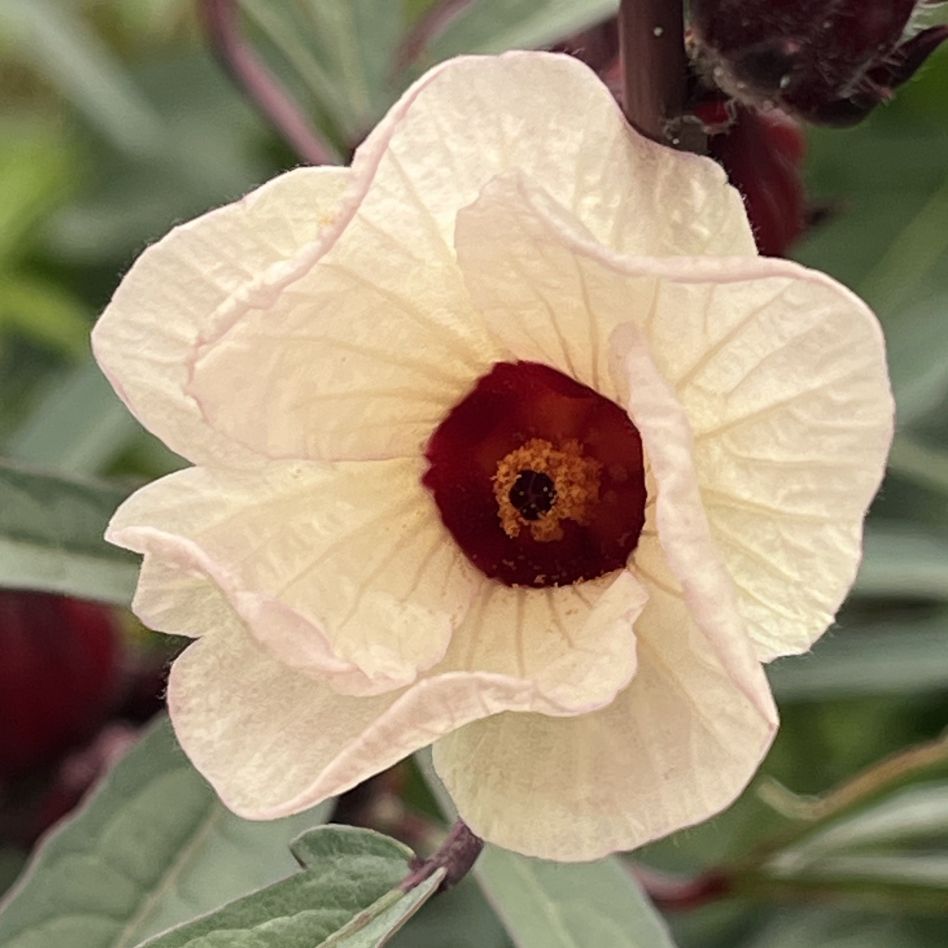
ローゼルソウはアオイ科フヨウ属の栽培植物。温帯では一年草、熱帯では亜低木です。原産地は西アフリカのスーダン周辺、または南アジアのインド~東南アジアのマレーシア。日本へは江戸時代~明治時代に渡来しました。朝方咲いて、夕方萎む一日花。花言葉は「新しい恋」です。
ローゼルソウの名前

ローゼルソウは英名ローゼルに由来する標準和名。日本でも園芸名としては「草」を省いた通称ローゼルのほうが一般的です。英名の由来は諸説あり、原産地での古称、地名など。ラテン語の属名ヒビスカスは「銭葵」の古称、種小名サブダリファはアラビア語での古称に由来します。
ローゼルソウの姿形
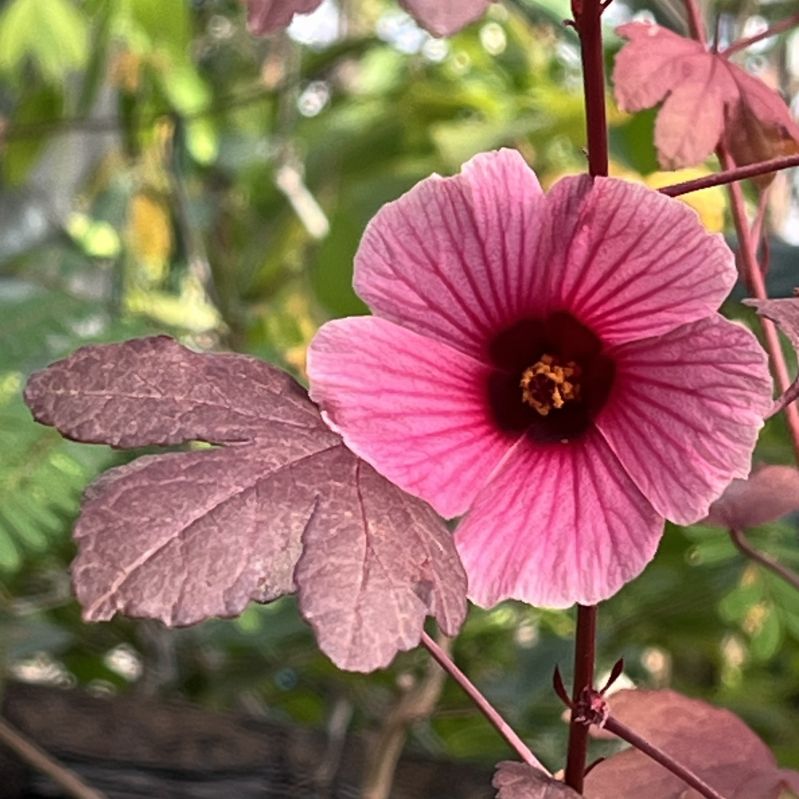
ローゼルソウは主根が深く伸び、側根も発達。茎は株元から分枝し、経年で木質化します。葉は互生の掌状で、茎の下方が5裂、中ほどが3裂、上方が単葉。柄が長く、縁に鋸歯があります。花は花弁が5枚、雄しべが多数、雌しべの柱頭が5裂。蒴果の周りを萼が包んで肥大します。
ローゼルソウの利用
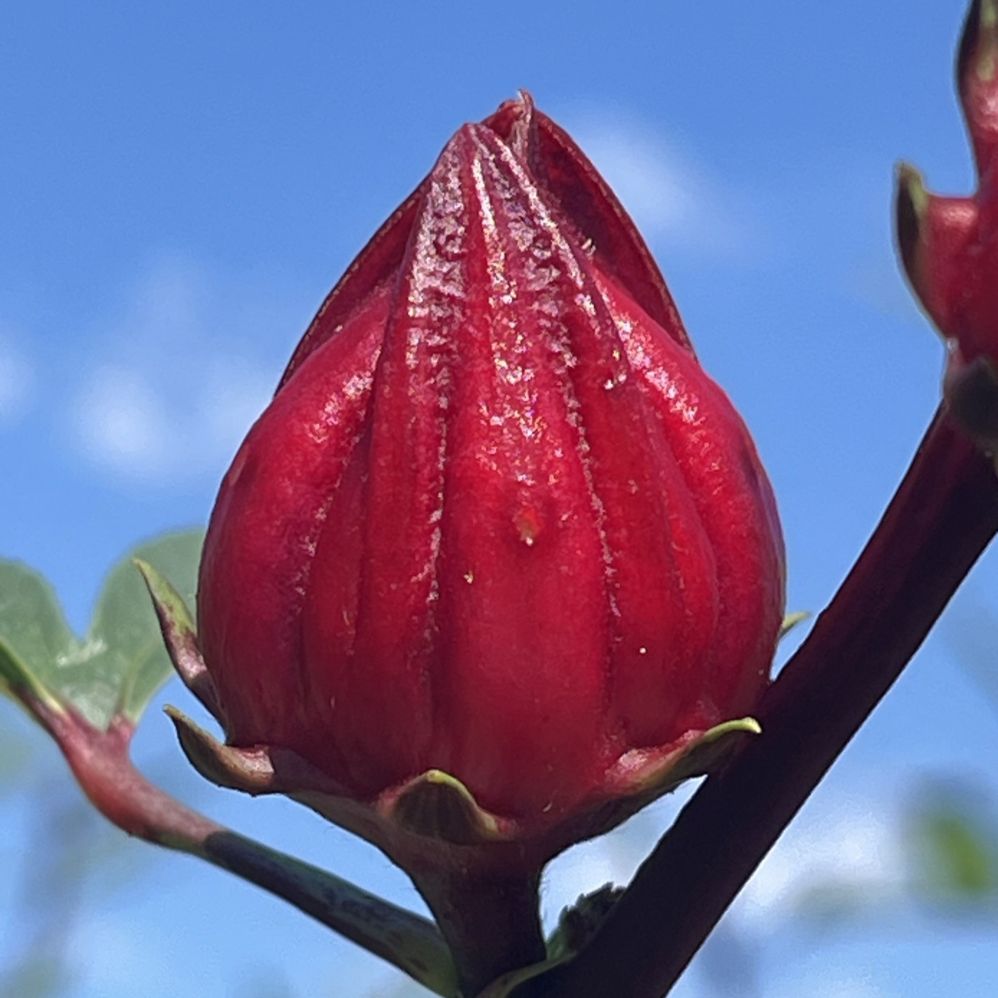
ローゼルソウは肥厚した萼をハイビスカスティー、ジャム、ゼリー、シロップ、ソース、酒類などに加工。クエン酸など有機酸に富み、鮮やかな赤色と爽やかな酸味をもたらします。若葉はスープや炒めものに、種子は煎食や搾油に、茎は繊維に。古くから観賞用にも栽培されました。
Roselle
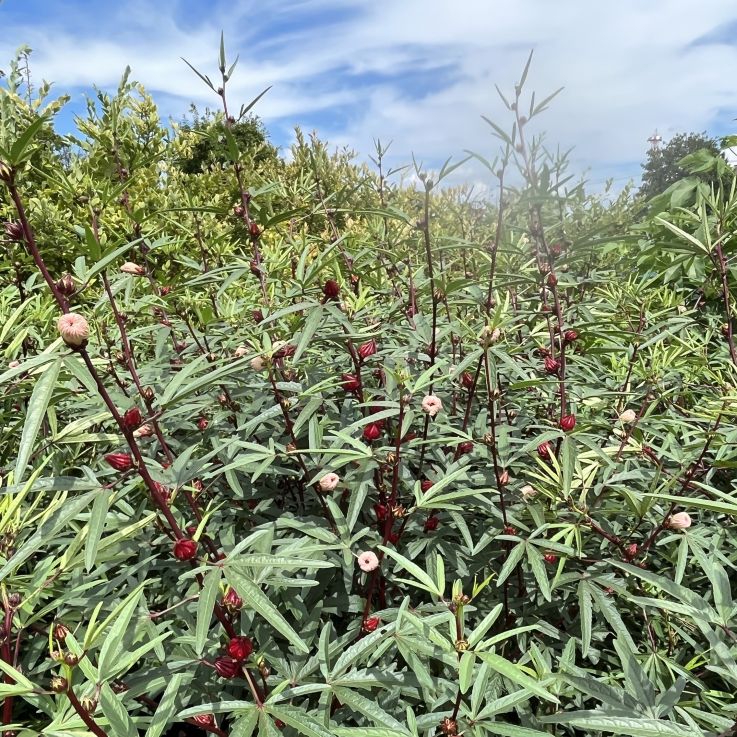
Roselle is a cultivated plant in the Malvaceae family. It is an annual in temperate zones and a subshrub in tropical zones. It is native to the Sudan area in West Africa, or India in South Asia and Malaysia in Southeast Asia. It was introduced to Japan during the Edo and Meiji periods. It blooms in the morning and fades in the evening. Its flower language is “new love.”
The standard Japanese name for Roselle means “Roselle grass,” but even in Japan, the horticultural name, Roselle, without the “grass” part, is more commonly used. There are various theories about the origin of the English name, including the ancient name of the plant’s place of origin and the place name. The Latin genus name Hibiscus comes from the ancient name for Common Mallow, and the specific epithet sabdariffa comes from the ancient Arabic name.
Roselle has a deep taproot and well-developed lateral roots. The stems branch from the base and become woody with age. The leaves are alternate and palmate, with five lobes at the bottom, three lobes in the middle, and simple leaves at the top. The leaves have long stalks and serrated edges. The flowers have five petals, numerous stamens, and a five-lobed stigma on the pistil. The capsules are enlarged and surrounded by a swollen calyx.
Roselle’s thickened calyx is used to make hibiscus tea, jams, jellies, syrups, sauces, and alcoholic beverages. Rich in organic acids such as citric acid, it gives the plant its vibrant red color and refreshing tartness. Young leaves are used in soups and stir-fries, the seeds are used for decoctions and oil extraction, and the stems are used for fiber. It has also been cultivated for its ornamental value since ancient times.